Our editorial team individually chooses every product for kitchen storage that is suggested on neatcupkit. We might get paid if you buy something after clicking on any of these links.
We’ve all been in that kitchen. You know the one. You open the dishwasher, and suddenly nobody can walk through the room. Or you’re trying to drain pasta, but you have to walk across the entire room to get to the sink.
It’s frustrating. It makes cooking feel like a chore rather than a joy.
Designing a kitchen isn’t just about picking pretty tile or the perfect shade of blue for your cabinetry. It is about how the room feels when you use it. It is about flow.
Whether you are doing a full renovation or a simple refresh, understanding how to design a kitchen layout is the most critical step.
This guide will walk you through the process. We will cover everything from measuring your space to understanding the “work triangle.” By the end, you’ll be ready to create a kitchen layout that fits your life.
Why Kitchen Layout Design Is Important
Your kitchen layout is the backbone of your home. If the bones are good, the rest falls into place.
A well-planned layout maximizes efficiency. It ensures that your refrigerator, sink, and stove are exactly where you need them. This saves you steps and keeps you from bumping elbows with family members.
Safety is another huge factor. A smart layout keeps hot ovens away from high-traffic areas. It ensures you have a landing space for hot sheet pans right next to the cooktop.
Finally, a solid kitchen layout adds value to your home. Future buyers look for functionality. They want a space that makes sense.
Investing time in kitchen planning now prevents costly headaches later. You don’t want to realize your drawers can’t open fully after the cabinets are installed.
How to Design a Kitchen Layout (Step-by-Step)
Designing your dream kitchen can feel overwhelming. But if you break it down, it becomes manageable. Here is a simple step-by-step guide on how to design a kitchen layout for beginners.
1. Measure Your Space
You cannot plan without numbers. Grab a measuring cup… just kidding, grab a tape measure.
Measure the room from wall to wall. Note the ceiling height.
Mark the location of doors, windows, and existing plumbing. Don’t forget to measure the size of these openings, too.
Accurate dimensions are crucial for your kitchen layout drawing. Even an inch off can mess up your cabinet installation.
2. List Your Needs and Wants
Think about how you cook. Do you need a double oven? Do you need a massive pantry for bulk storage?
Maybe you have a lot of small appliances like a blender or mixer. You will need a place to hide them.
Write down your “must-haves” and your “nice-to-haves.” This helps you prioritize when space gets tight.
3. Draft a Preliminary Plan
Now comes the fun part. You don’t need to be an architect. You can start with a simple sketch on paper.
If you prefer digital tools, look for a kitchen layout planner. There are many options available online.
You can search for “how to design a kitchen layout free” to find software that helps you visualize the space. Many brands offer a 3d kitchen design free of charge on their websites.
This creates a visual kitchen layout drawing easy enough for anyone to understand. It helps you see if an island will actually fit or if it will block the flow.
4. Consult a Professional (Optional)
If you are moving walls or changing plumbing, consider talking to a pro.
An interior design expert can spot problems you might miss. They know the codes for lighting design and ventilation. They can help with layout optimization to get the most out of your square footage.
Best Kitchen Layout Types: L-Shape, U-Shape, Galley, or Open Plan?
Not every layout works in every room. The shape of your kitchen layout depends on your available floor plan. Here are the most efficient arrangements.
The L-Shaped Kitchen
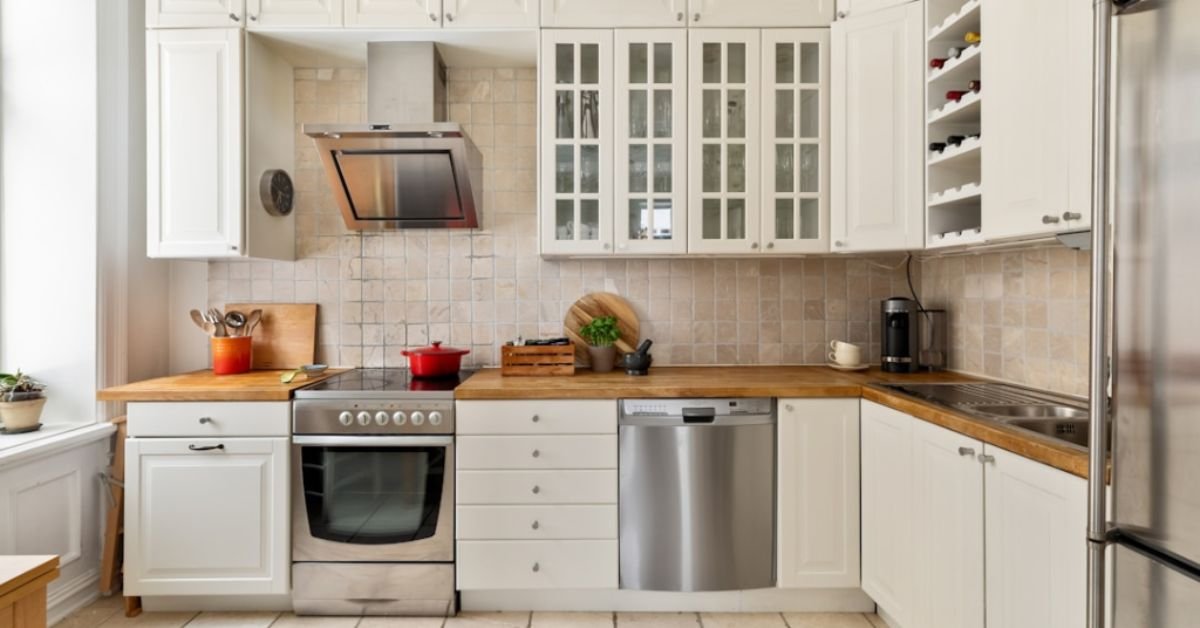
This is one of the most popular layouts. It uses two perpendicular walls.
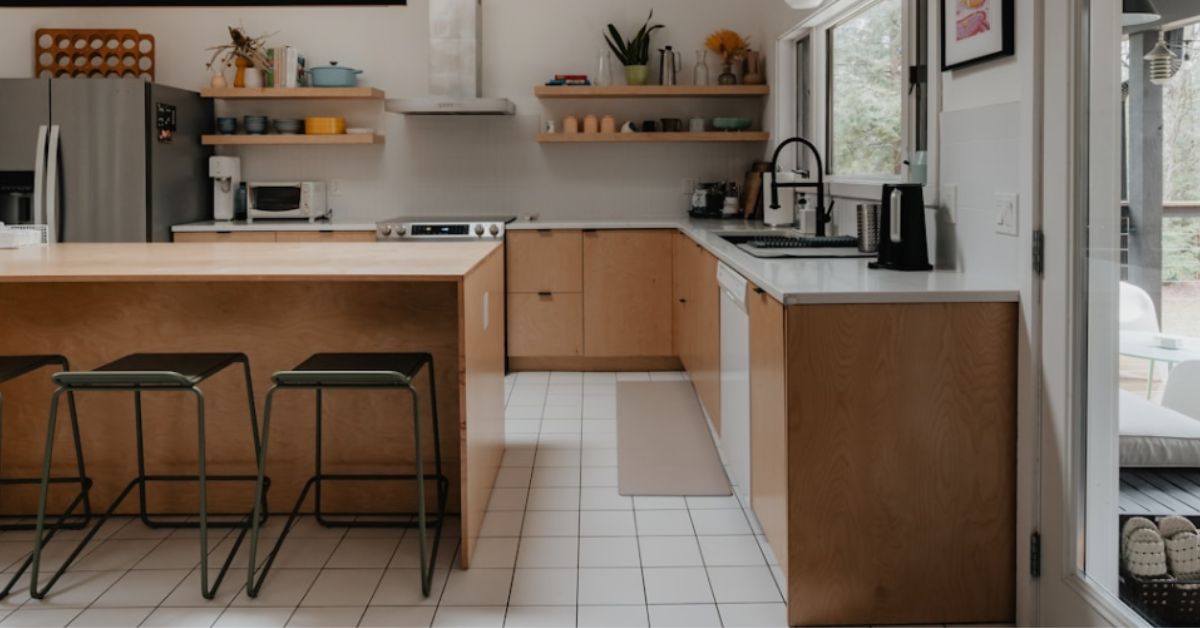
It is great for open-plan living. It leaves plenty of room for a dining table or an island in the center.
This kitchen layout works well for two cooks because it opens up the floor space. It eliminates traffic jams.
The U-Shaped Kitchen
This layout occupies three walls. It provides the most counter space and storage.
If you love to cook, this might be your dream. You are surrounded by your tools. Everything is within reach.
However, a U-shaped kitchen layout can feel closed off in smaller homes. It separates the cook from the rest of the party.
The Galley Kitchen
Named after the cooking area on a ship, this layout consists of two parallel runs of units.
It is incredibly efficient. It is often the top choice for many professional chefs.
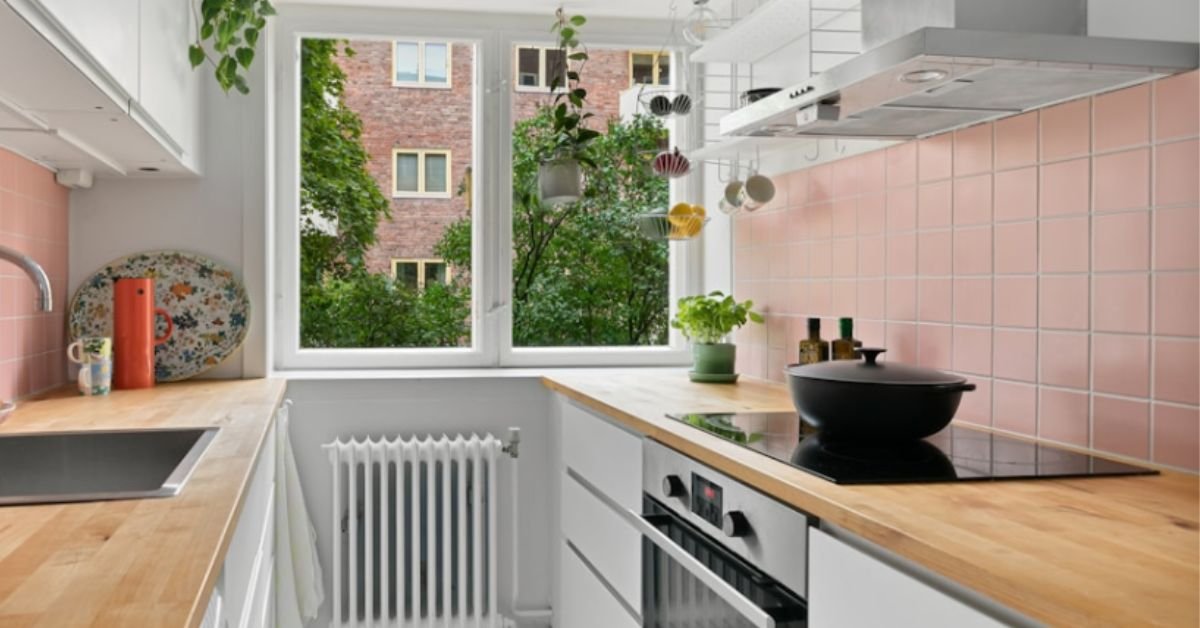
A galley kitchen layout is perfect for an apartment or a long, narrow room. Just make sure the aisle is wide enough to open the dishwasher and oven safely.
The Island Kitchen
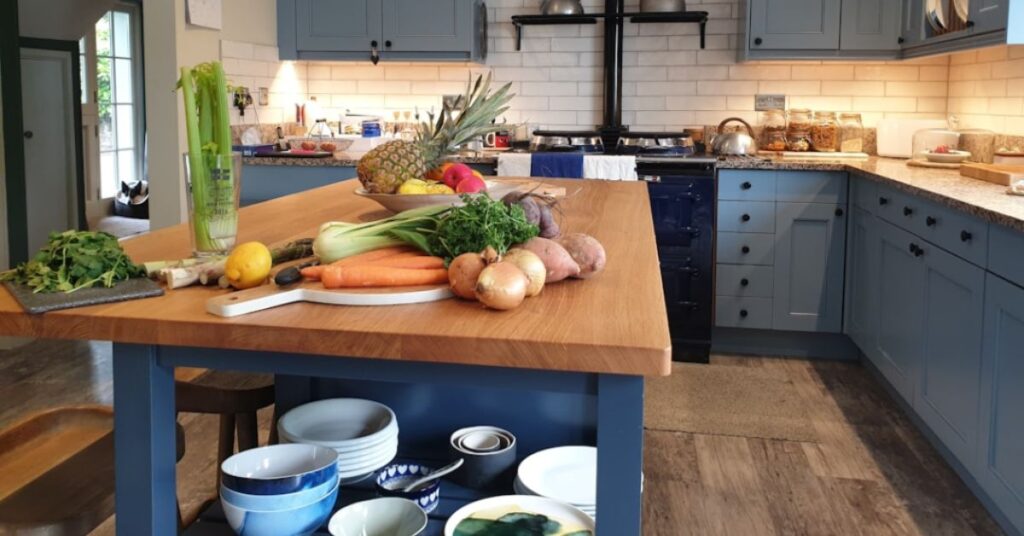
This usually combines with an L-shape or a single wall. The island adds prep space and storage.
It also creates a social hub. Guests can sit at the island while you finish the sauce.
However, you need enough space. A crammed island creates a bottleneck in your traffic flow.
The Single-Wall Kitchen
This is the ultimate space-saver. All cabinets and appliances line up on one wall.
It is common in studios or lofts.
While it saves floor space, counter space can be limited. You may need a movable cart or table to help with prep.
How to Plan Work Zones & Traffic Flow (Work Triangle, Storage, Appliances)
Once you pick a shape, you need to place the major players. This is where ergonomic design comes in.
The Work Triangle
For decades, designers used the “work triangle.” This connects the three main work areas: the sink, the stove, and the refrigerator.
The idea is to keep the distance between these points comfortable. Not too close, not too far.
While modern kitchens have evolved, the triangle is still a great starting point for your kitchen layout. It prevents you from running laps while making dinner.
Work Zones
In larger kitchens, think in zones.
Prep Zone: This needs clear counter space near the sink. Keep knives, cutting boards, and trash bins here.
Cooking Zone: This centers around the cooktop or oven. Keep pots, pans, and spices here.
Cleanup Zone: This includes the sink and dishwasher. It keeps the mess away from the prep area.
Storage Zone: This is your pantry and fridge. It should be near the entrance so grocery drop-off is easy.
Traffic Flow
Think about where people walk. You don’t want the path to the backyard running right through your cooking zone.
Keep the fridge accessible to snack-seekers without them getting in the chef’s way.
Ensure there is enough clearance. A kitchen layout drawing helps you check these pathways.
Pay attention to door swings. You don’t want the fridge door hitting the pantry door.
Lighting and Outlets
Don’t forget the power. You need outlets where you plan to use small appliances.
Lighting changes everything. Plan for task lighting over your work surfaces and ambient lighting for the whole room.
Under-cabinet lighting is a game-changer for reading recipes or measuring ingredients.
Conclusion
Designing a kitchen is a journey. It requires a balance of logic and emotion.
You want a space that functions perfectly for your morning coffee routine. But you also want a space that feels warm and inviting for holiday dinners.
By focusing on your specific needs and understanding the basics of spatial organization, you can create a room that works.
Remember to test your ideas with a kitchen layout drawing. Play with different arrangements. See what feels right.
Your kitchen layout determines how you live in your home. Take the time to get it right. You are building the backdrop for countless family memories.
The galley kitchen is often considered the most efficient. It minimizes steps between work areas. However, the U-shaped kitchen layout offers the most counter space. The “best” layout depends entirely on the shape of your room and how you cook.
How much space should be between kitchen counters and walkways?
Ideally, aisles should be at least 36 inches wide. In cooking zones, 42 inches is better for one cook. If two people cook together, aim for 48 inches. This ensures ample space for opening doors and moving hot pans.
What is the kitchen work triangle and is it still relevant?
The work triangle connects the sink, stove, and fridge. The legs of the triangle should be between 4 and 9 feet. It is still very relevant for efficiency. However, in large kitchens with multiple cooks, establishing “work zones” is often a better approach.
How do I design a kitchen layout for a small space?
Focus on vertical storage. Use tall cabinets that go up to the ceiling. Consider a galley or single-wall layout. Choose smaller, apartment-sized appliances. Good lighting and light colors can also make a tight kitchen layout feel bigger.
Should I choose an open-plan or closed kitchen layout?
Open plans are great for socializing and watching kids. They make homes feel larger. Closed layouts are better for hiding mess and containing smells and noise. Think about your lifestyle. Do you want privacy while you cook, or do you want to be part of the action?
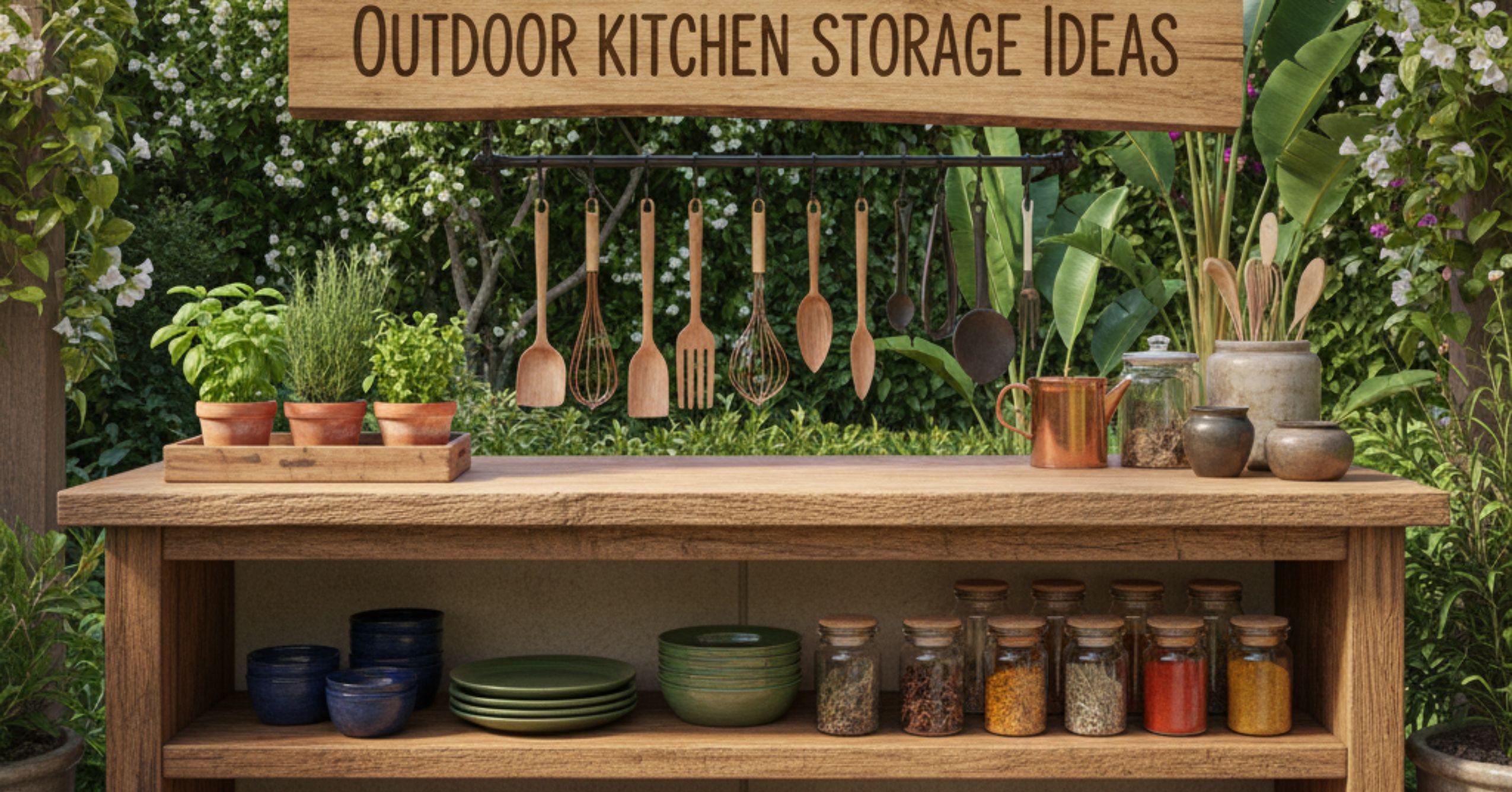
Explore the best outdoor kitchen storage ideas from weatherproof cabinets to DIY shelves—and keep your outdoor cooking space organized and clutter-free.