Our editorial team individually chooses every product for kitchen storage that is suggested on neatcupkit. We might get paid if you buy something after clicking on any of these links.
We have all been there. You open a cabinet door to grab a pot, and a mountain of Tupperware comes crashing down. It is frustrating.
The kitchen is the heart of the home, but a poorly planned space causes daily stress. You deserve a room that works with you, not against you.
Learning how to design kitchen cupboards effectively can change everything. It turns a chaotic room into a sanctuary of calm and creativity.
Whether you are renovating or starting from scratch, the right design choices make life easier. This guide will walk you through the process of creating the kitchen of your dreams.
Your kitchen cupboards are the workhorses of your home. They hold your food, your dishes, and your appliances. But they do more than just store things.
Great design creates a flow. It ensures your coffee mug is right where you need it in the morning. It means you aren’t bending over backwards to reach the heavy stand mixer.
This is where ergonomic design comes in. It prioritizes your comfort and physical health while you cook.
Well-designed kitchen cupboards also increase the value of your property. Potential buyers always look at the kitchen first.
If the layout makes sense and the storage organization is smart, the whole house feels more valuable. It is an investment in your home and your happiness.
Designing your own space might feel intimidating. However, if you break it down, it becomes manageable.
Here is how to design kitchen cupboards step by step without the headache.
Step 1: Measure Your Space Accurately
Before you look at kitchen design ideas, you need numbers. Grab a tape measure and sketch a rough floor plan of the room.
Measure every wall. Note the location of the plumbing, gas lines, and electrical outlets. These are expensive to move, so it is often best to work around them.
Don’t forget to measure the windows and the door swing. You don’t want a new drawer hitting the oven handle. Precision here prevents costly mistakes later.
Step 2: Assess Your Storage Needs
Look at what you currently own. Do you have a lot of tall cereal boxes? Do you need a dedicated space for a heavy mixer?
Space optimization starts with understanding your inventory. If you hate clutter on the countertops, plan for deep drawers to hide appliances.
Think about your workflow. You want the dishwasher near the sink and the storage for plates nearby. This makes unloading clean dishes a breeze.
Step 3: Choose Your Layout
There are several standard shapes for kitchens. The L-shape, U-shape, and Galley styles are the most common.
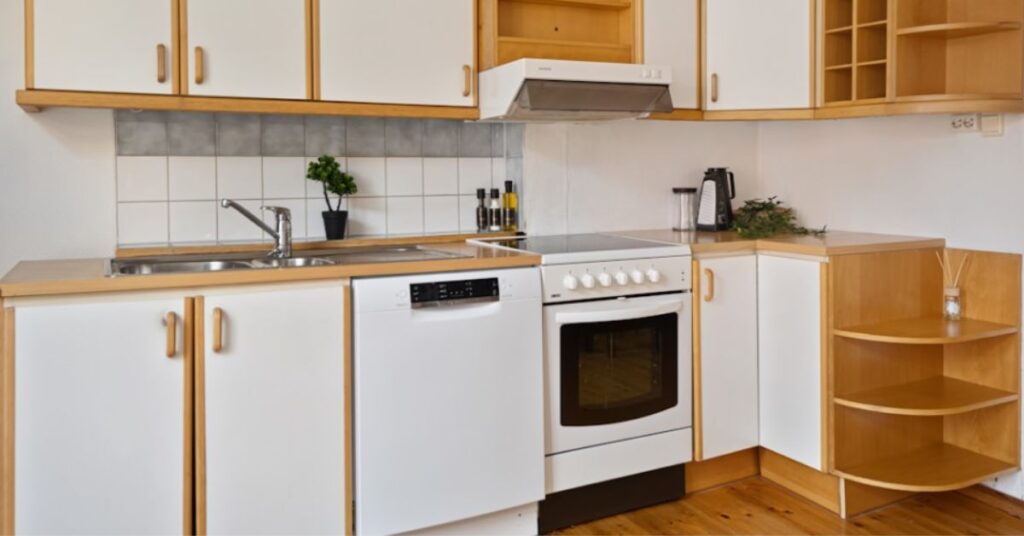
If you want to know how to design kitchen cupboards for beginners, stick to the “work triangle.” This connects your stove, sink, and refrigerator.
Keep the path between these three points clear. If you have the space, an island can provide extra storage and a focal point.
You can use a kitchen design app free of charge online to visualize these layouts. Seeing it in 3D helps you catch issues before you buy anything.
Step 4: Select Your Cabinet Style
Now comes the fun part. The style of your kitchen cupboards defines the look of the room.
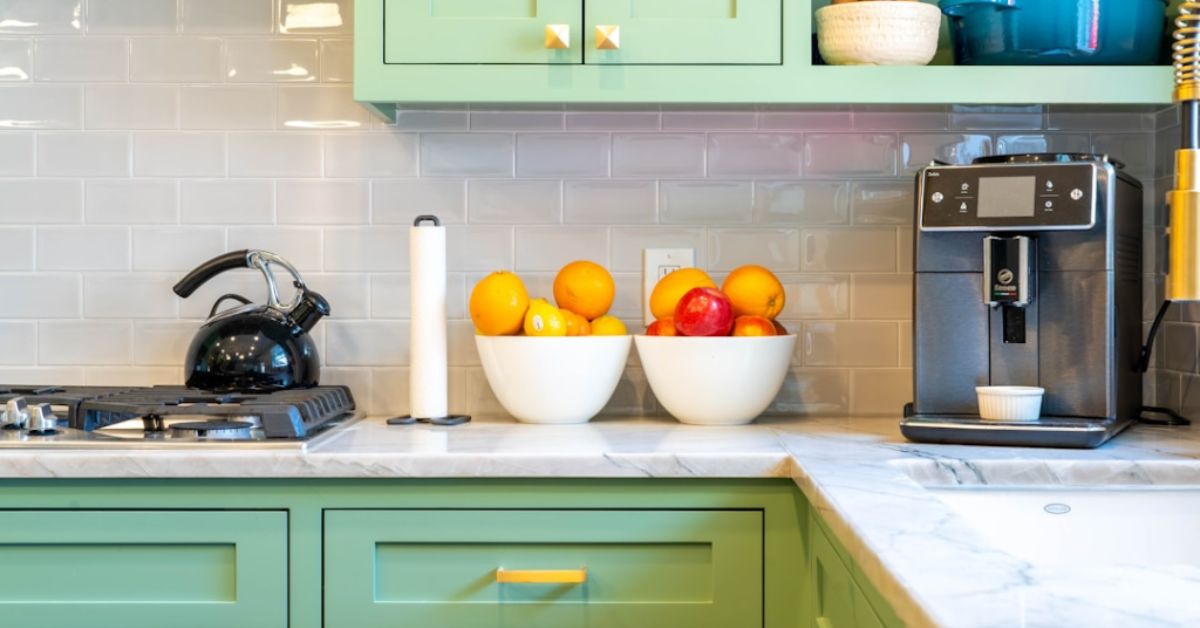
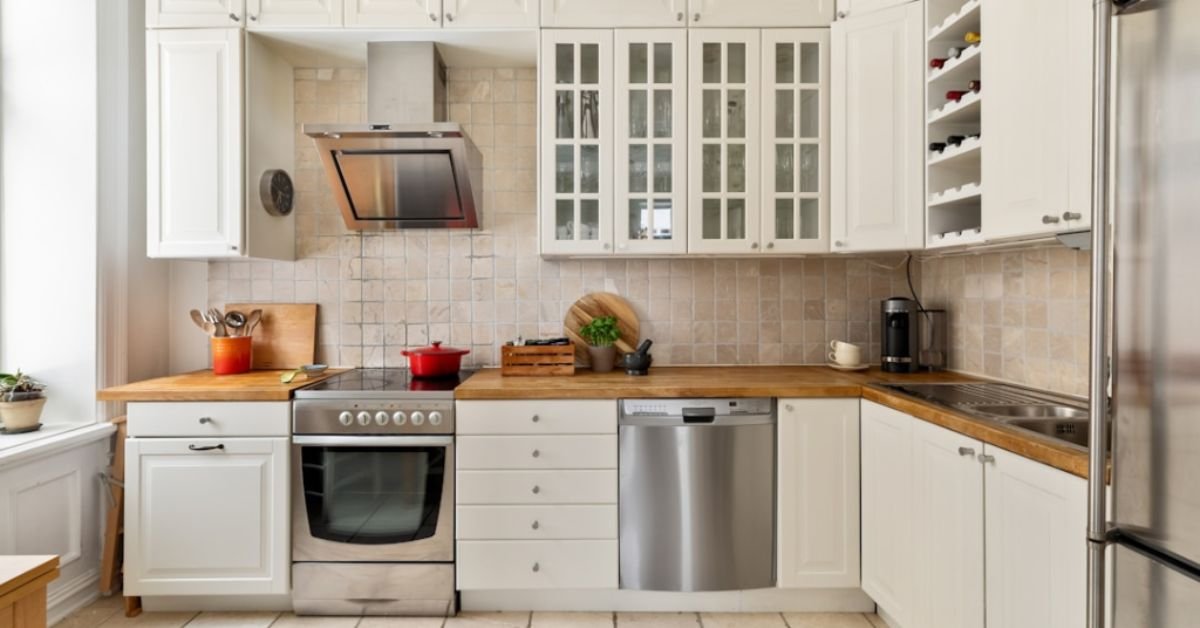
Shaker-style doors offer a timeless look. Flat-panel doors are perfect for modern, sleek homes.
Consider your color schemes carefully. White makes a small room feel bigger. Dark navy or charcoal adds drama and sophistication.
Browse a kitchen designs photo gallery to see what resonates with you. Your style should reflect your personality.
Step 5: Plan the Interiors
The outside matters, but the inside is where the magic happens. Kitchen storage solutions have come a long way.
Don’t settle for empty boxes. Use shelf adjustable features to fit your specific items.
Consider pull-out trash cans to hide waste. Install lazy Susans in corner cabinets so nothing gets lost in the back.
Deep drawers are often better than doors for base cabinets. They let you see everything at a glance without crouching down.
When you learn how to design kitchen cupboards, you realize it is a balancing act. You need to mix different types of units.
Base Cabinets
These sit on the floor and support your countertops. They usually house the heavy items like pots and pans.
Standard depth is usually 24 inches. Incorporating drawers here is a game-changer for ergonomics.
Wall Units
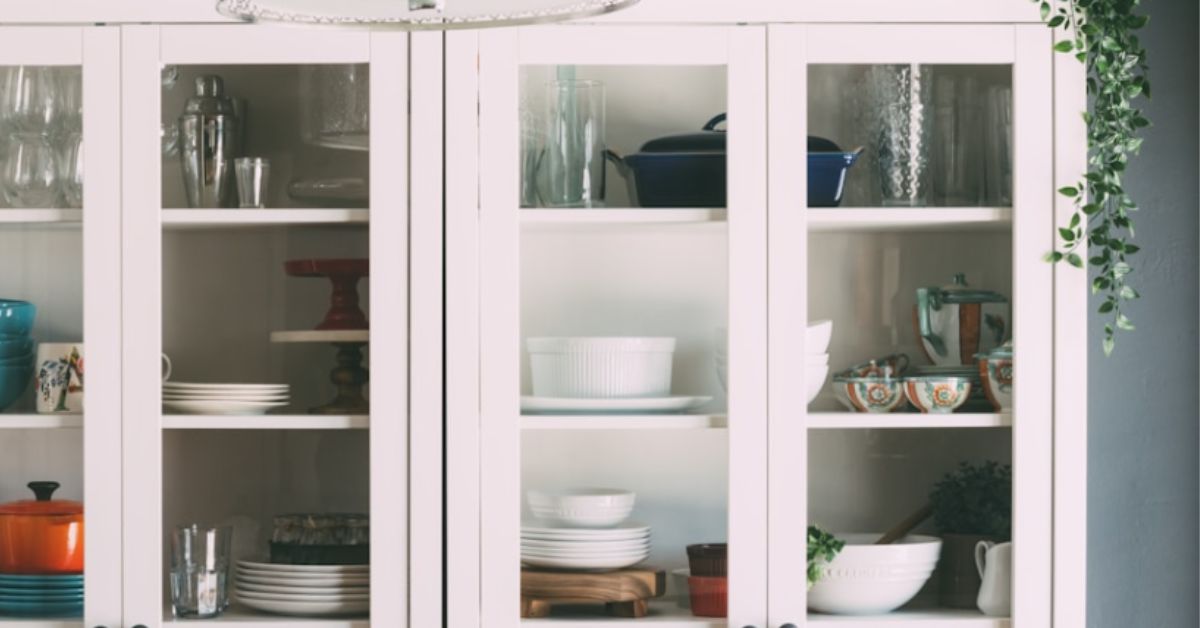
These are mounted on the wall above the counters. They are ideal for glasses, plates, and food items.
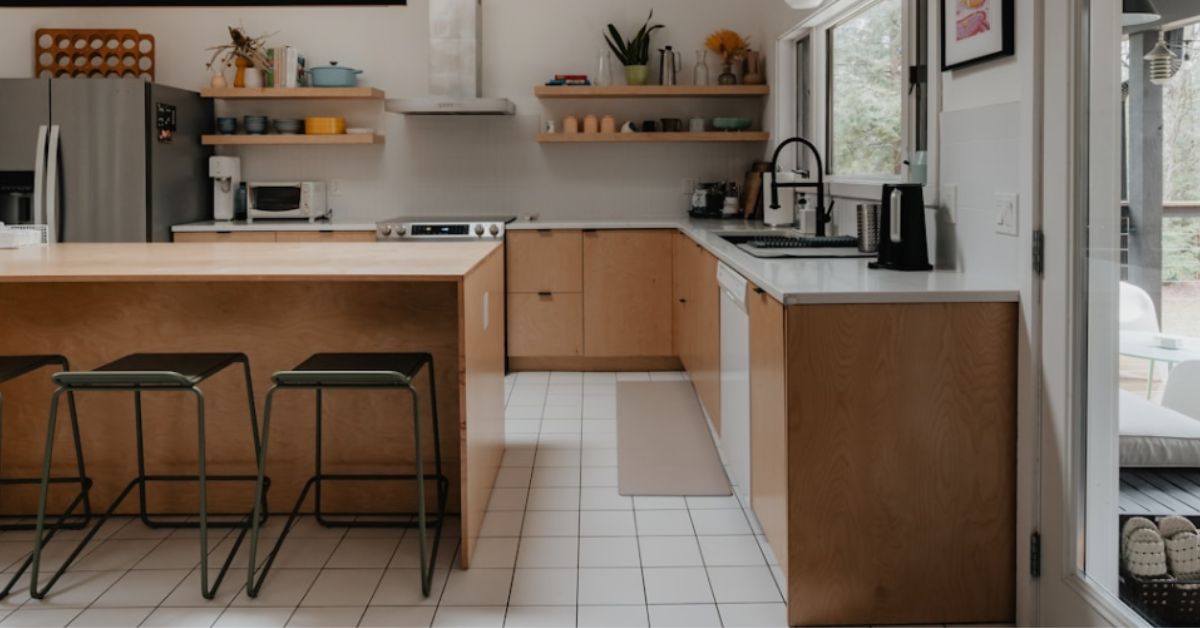
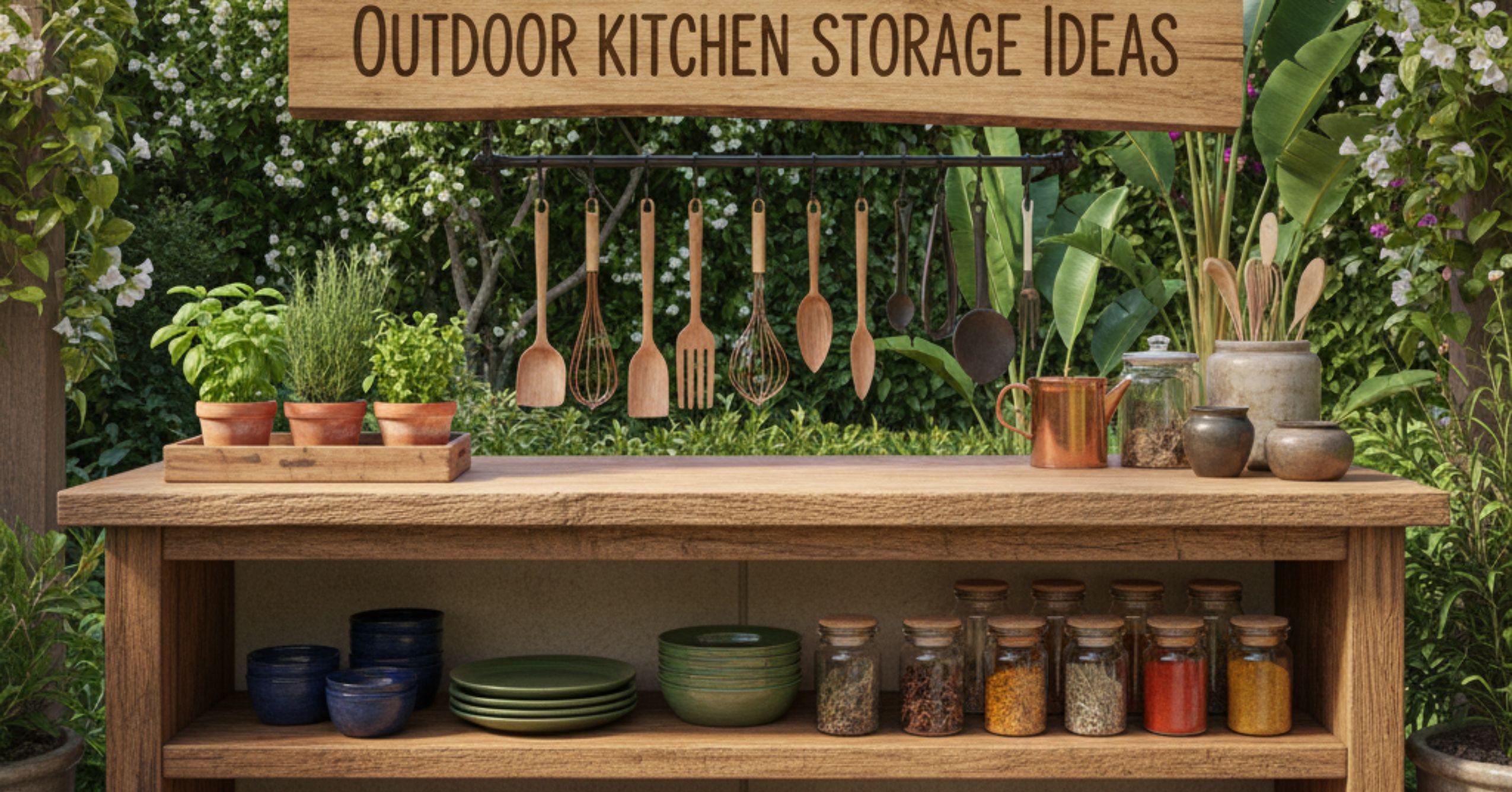
However, be careful not to make the kitchen feel closed in. Some people replace upper kitchen cupboards with open shelving for an airy feel.
Tall Storage and Pantries
If you have the space, a floor-to-ceiling unit is a luxury. It serves as a dedicated pantry or houses built-in appliances like a wall oven.
Tall kitchen cupboards provide massive amounts of storage. They are perfect for brooms, mops, or bulk food supplies.
For those wondering how to design kitchen cupboards simple and clean, grouping tall units together on one wall looks very sleek.
The material you choose affects the durability and the budget planning. Your kitchen cupboards need to withstand heat, steam, and messy hands.
Solid Wood
This is the classic choice. It is durable, beautiful, and can be refinished later.
However, solid wood expands and contracts with humidity. It is also the most expensive option.
MDF and Plywood
Many high-quality kitchen cupboards use plywood boxes with MDF doors. MDF (Medium Density Fiberboard) paints very well.
It is stable and does not warp like solid wood. This is a great middle-ground for cabinet materials.
Laminate and Melamine
These are budget-friendly and easy to clean. They come in endless colors and textures.
Modern laminates are very durable. They are resistant to scratches and stains, making them great for families.
Acrylic
For a high-gloss, modern look, acrylic is the way to go. It reflects light and makes the kitchen look bright.
Check a modern kitchen designs photo gallery to see how acrylic finishes catch the light.
Knowing how to design kitchen cupboards also involves the little details. Accessory integration turns a good kitchen into a great one.
Lighting Design
Don’t rely on a single ceiling light. Under-cabinet lighting is essential.
It lights up your workspace for chopping and cooking. It also adds a warm ambiance in the evening.
Hardware Options
Handles and knobs are the jewelry of the kitchen. They can change the whole vibe of your kitchen cupboards.
Matte black feels modern. Brushed brass feels warm and traditional.
Custom vs. Modular Cabinets
Should you go custom? Custom vs. modular cabinets is a big decision.
Modular cabinets come in set sizes. They are faster to get and cheaper.
Custom kitchen cupboards are built to fit your exact walls. They maximize every inch of space but cost significantly more.
Your journey to a better kitchen starts with a plan. When you know how to design kitchen cupboards, you take control of your home.
You stop fighting with your storage and start enjoying your cooking. The right layout planning and materials make a difference you can feel every day.
Take your time. Look at a kitchen designs photo gallery for inspiration.
Whether you hire a pro or do it yourself, your dream kitchen is within reach. Start measuring today.
Layout Optimization
Detailed vertical storage, corner solutions, and adjustable shelving for efficient layouts –jkcement
Work triangle planning, cabinet heights, and symmetry tips for functional designs – marissacalhome
G-shaped, U-shaped, and peninsula layouts with corner storage advice – kraftmaid
Smart Storage Solutions
Zoning by workflow, like utensils near hob and cleaning near sink – wrenkitchens
Pull-out corners, pantry units, floor-to-ceiling cabinets, and island drawers.akfittedinteriors
Vertical space use, workflow grouping, and LED lighting for visibility in compact kitchens – limrs
Style and Design Tips
Modern styles, materials, and handleless designs for aesthetics – smithinteriors
Ceiling-height cabinets, hardware upgrades, and glass-fronted options – homesandgardens
L-shaped layouts, corner drawers, and personalization by cooking habits – bonsaikitchenandbath
Comprehensive Guides
Zone-based storage, appliance integration, and traffic flow for overall efficiency – cabinetiq
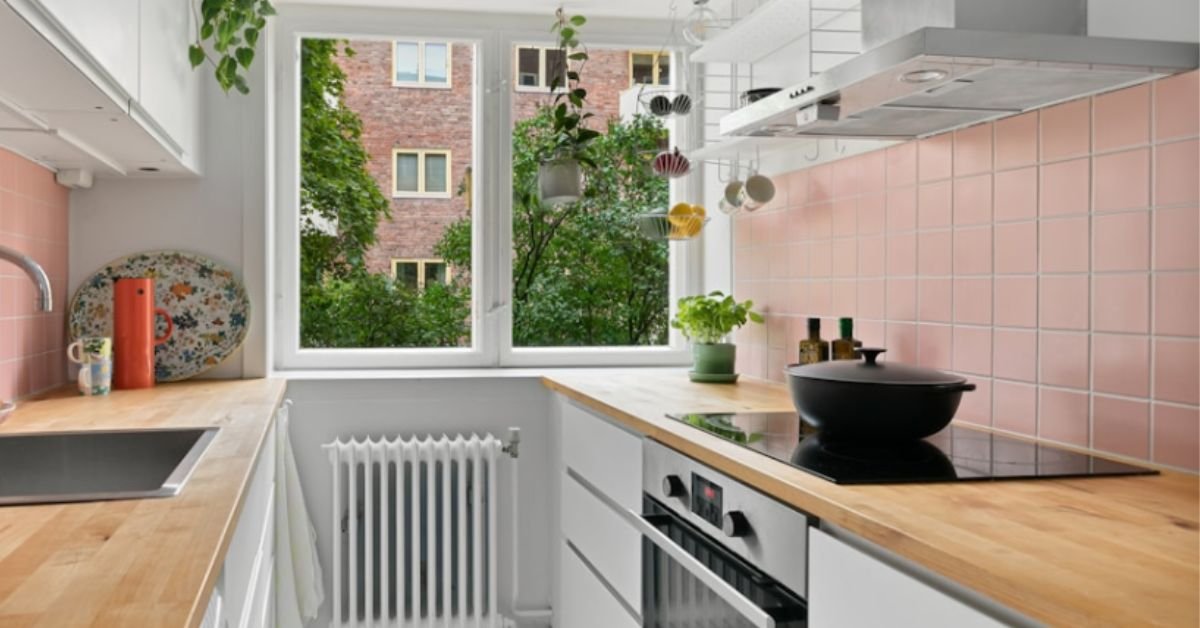
The best layout depends on your room shape, but the “work triangle” is the gold standard. This layout connects the sink, stove, and refrigerator for maximum efficiency. For small spaces, a galley layout is often best for kitchen cupboards.
Standard base kitchen cupboards are 24 inches deep and 36 inches tall (including countertop). Wall cabinets are usually 12 inches deep to ensure you don’t bump your head while working.
Plywood boxes with solid wood or high-quality MDF doors offer the best balance of durability and stability. They resist warping better than solid wood alone. Laminate is also excellent for kitchen cupboards that need to resist scratches.
Use every inch of vertical space. Install tall kitchen cupboards that go up to the ceiling. Use internal organizers like pull-out shelves, door racks, and drawer dividers to improve storage organization.
If you have an odd-shaped room or a large budget, custom kitchen cupboards are ideal. For standard rooms and tighter budgets, modular cabinets are the smarter choice. They offer great style without the custom price tag.