

Our editorial team individually chooses every product that is suggested on neatcupkit. We might get paid if you buy something after clicking on any of these links.
A fresh coat of paint kitchen cabinets can completely transform your kitchen, but what if your cabinets are already painted? Don’t worry. Repainting is a straightforward and budget-friendly way to give your space a new lease on life. This guide will show you exactly how to paint kitchen cabinets that are already painted, giving you a professional-looking finish with ease.
Thinking about replacing your kitchen cabinets? You might want to reconsider. Repainting them is a fantastic alternative that saves both time and money. A full cabinet replacement can cost thousands of dollars and create weeks of disruption. In contrast, you can paint kitchen cabinets for a fraction of the cost, often in just a weekend.
Giving your cabinets a new look allows you to update your kitchen’s style without a major renovation. It’s a rewarding project that breathes new life into the heart of your home. If you’re a beginner, painting kitchen cabinets is an achievable and impactful DIY task.
Ready to get started? Follow these steps for a flawless finish. The key to a great paint job is all in the preparation. Homeowners often work with experienced installers such as AVO Renovations to ensure cabinets are fitted correctly and within budget. Read this article trusted kitchen fitters in Edinburgh.
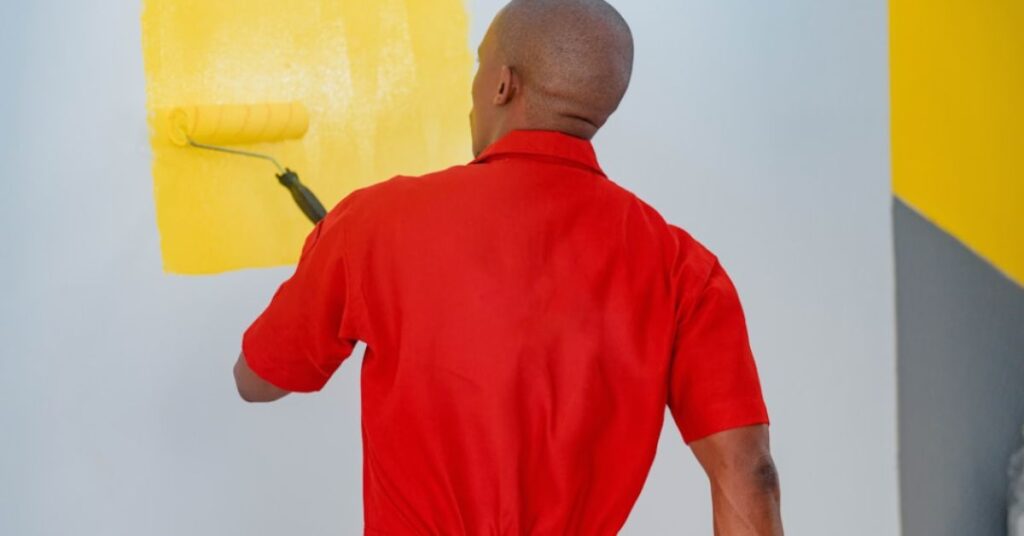
1. Preparation is Key
Proper prep ensures the new paint kitchen cabinets will have strong adhesion and won’t chip or peel.
Clean the Surfaces
Your cabinets are likely covered in grease, oil, and dust, even if you can’t see it.
Sand the Old Paint
You don’t need to strip the old paint completely. The goal is to scuff the surface to help the new primer and paint kitchen cabinets stick.
Fill and Repair
Inspect your cabinets for any dents, scratches, or holes.
Apply Primer
A quality primer is essential. It blocks stains, prevents the old color from bleeding through, and provides a perfect base for your new paint kitchen cabinets.
2. Choose the Right paint kitchen cabinets
The best paint for already painted kitchen cabinets is one designed for durability. Kitchen cabinets experience a lot of wear and tear, so you need a paint kitchen cabinets that can handle it.
3. Apply the Paint
Now for the fun part! You can use a brush, a roller, or a paint sprayer.
Apply two thin coats of paint, allowing ample drying time between each coat. Rushing this step can lead to a tacky, uneven finish.
4. Allow Proper Drying and Curing Time
paint kitchen cabinets needs time to not just dry, but also to cure.
Curing: Curing is when the paint kitchen cabinets hardens to its maximum durability. This can take several days or even a few weeks. Be gentle with your cabinets during this time to avoid scratches or chips.
Having the right tools will make your project much smoother.
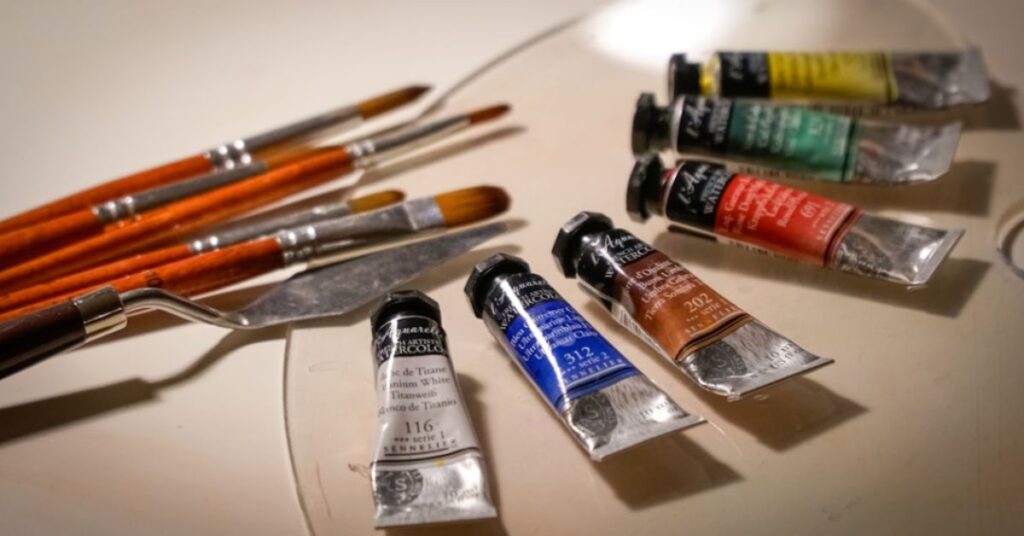
To achieve a clean, professional result, you need to protect the parts of your kitchen you aren’t painting.
painting your kitchen cabinets is a powerful way to update your home. By following these steps, you can achieve a durable, beautiful finish that looks like it was done by a professional. This project shows how a little effort can completely change the feel of your kitchen. So go ahead, pick your color, and get ready to fall in love with your kitchen all over again.
Yes, you can. The key is proper preparation. As long as you thoroughly clean, sand, and prime the surface, you can successfully paint kitchen cabinetsover previous layers of paint.
Paint will typically be dry to the touch in a few hours, but it needs to cure for full durability. Curing can take anywhere from a few days to a month, depending on the paint kitchen cabinets and humidity. Avoid heavy use during this time.
Yes, for the best results, you should remove cabinet doors and drawers. This allows you to paint all surfaces evenly without worrying about drips or missed spots around hinges.
A high-quality acrylic alkyd paint kitchen cabinets is often recommended. It provides a durable, hard finish that is easy to clean, which is perfect for a high-traffic area like the kitchen.
The best way to ensure longevity is through meticulous prep work—cleaning, sanding, and priming. Using a high-quality paint kitchen cabinets and allowing it to fully cure will also make a huge difference in how well the finish holds up to wear and tear.