How to Set Up a Ghost Kitchen | 9 Proven Steps That Actually Works

how to set up a ghost kitchen

Our editorial team individually chooses every product that is suggested on neatcupkit. We might get paid if you buy something after clicking on any of these links.

The restaurant industry is changing. Gone are the days when success depended solely on a prime location with heavy foot traffic.

We are seeing a new wave of food service: the delivery-only restaurant.

What Is a Ghost Kitchen (and How It Works)

A ghost kitchen is a professional food preparation and cooking facility set up for the preparation of delivery-only meals.

They are also called cloud kitchens, dark kitchens, or virtual restaurants.

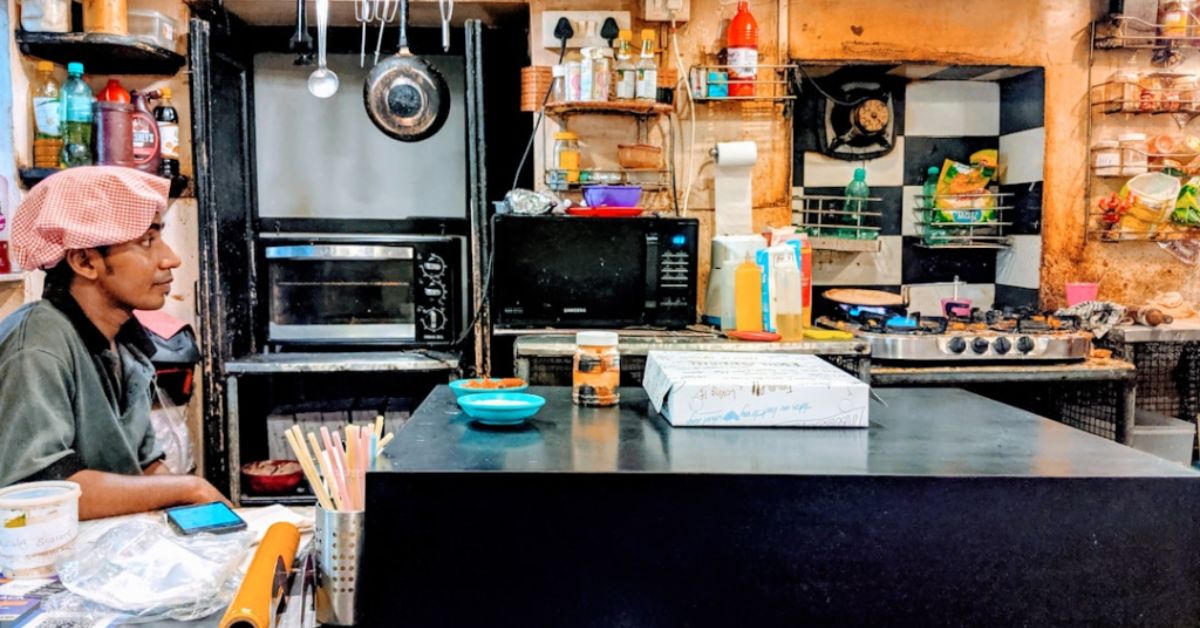
Unlike a traditional brick and mortar restaurant, a ghost kitchen has no dining area for customers. There is no storefront. There is no waiting staff. It is just a kitchen space optimized for efficiency.

Here is how it typically works:

  1. The Order: A customer places an order through a third-party delivery app like Grubhub or a dedicated mobile app.
  2. The Prep: The order pops up on a screen in the kitchen. Staff prepare the meal immediately.
  3. The Hand-off: A delivery driver arrives at a designated pickup window or counter to collect the food.
  4. The Delivery: The food arrives at the customer’s door.

This business model allows operators to launch multiple brands from a single location. You could sell burgers under one brand name and salads under another, all cooked on the same grill by the same staff.

Why Start a Ghost Kitchen: Key Benefits and Market Trends

The shift toward off-premise dining was already happening before 2020, but the pandemic accelerated it massively.

Now, customers are used to the convenience of high-quality food delivery.

Here is why you should consider this model:

Lower Overhead Costs

Rent is the biggest killer of restaurant profits.

Traditional restaurants need prime real estate. You pay for visibility and foot traffic.

A ghost kitchen can be located in a warehouse district, a basement, or a parking lot container. The rent is significantly cheaper.

Plus, you save money on front-of-house labor. You don’t need hosts, servers, or bussers.

Faster Launch Time

Building a restaurant takes months, sometimes years. You have to design the dining room, get specialized permits for public occupancy, and hire a large team.

A ghost kitchen setup is much simpler. You can rent space in a shared commissary kitchen or a facility like CloudKitchens that comes pre-equipped with hoods and sinks. This allows you to start cooking in weeks, not months.

Flexibility and Data-Driven Decisions

If a dish isn’t selling in a traditional restaurant, you have to reprint menus. If a concept fails, you might have to renovate the whole building.

In a virtual restaurant, you can change your menu instantly online. You can test a new chicken wing concept over the weekend. If it works, keep it. If it doesn’t, delete the profile and try something else.

You have access to data that tells you exactly what is selling and when. This allows for rapid menu development based on real customer behavior.

How to Set Up a Ghost Kitchen (Step-by-Step)

Ready to get cooking? Here is your roadmap for how to set up a ghost kitchen.

1. Define Your Concept and Menu

Don’t just cook what you like. Cook what sells.

Research the local market on delivery apps. Are there too many pizza places but not enough vegan options? Is there a gap for late-night dessert?

Your menu needs to be delivery-friendly. Fries that get soggy or intricate plating that shifts during a scooter ride won’t work. Focus on food that travels well.

2. Create Your Business Plan and Budget

Even though it is cheaper than a standard restaurant, you still need a plan.

Calculate your startup costs. This includes equipment, deposits, licensing, and initial inventory.

Don’t forget operating costs. You need to account for the commission fees charged by delivery platforms (which can be up to 30%), packaging costs, and staff wages.

3. Secure Your Location

You have a few options here:

  • Shared Commissary Kitchen: You rent a station in a large shared kitchen. This is often the cheapest way to start.
  • Dedicated Ghost Kitchen Facility: Companies like CloudKitchens lease small, private kitchen pods within a larger building.
  • Your Own Commercial Space: You lease a small commercial space that isn’t suitable for dining but works for cooking.

If you are wondering “can you run a ghost kitchen from home?”, the answer is usually no. Most regions require food to be prepared in a licensed commercial kitchen to be sold to the public.

4. Handle Licensing and Permits

This is the boring but essential part. You cannot skip this.

Ghost kitchen license requirements are similar to standard restaurants regarding health and safety. You will typically need:

  • Business License

  • Food Service Establishment Permit

  • Food Handler’s Permits for staff

  • Health Department Inspection

Check your local regulations carefully.

5. Develop Your Brand

Since you have no physical storefront, your digital brand is everything.

Invest in professional food photography. Your photos are your menu, your waiter, and your decor all rolled into one. If the photo looks bad, the user keeps scrolling.

Create a memorable logo and a catchy name.

Essential Equipment and Technology You’ll Need

Your ghost kitchen needs to be a well-oiled machine.

Essential Equipment and Technology You’ll Need

Commercial Kitchen Setup

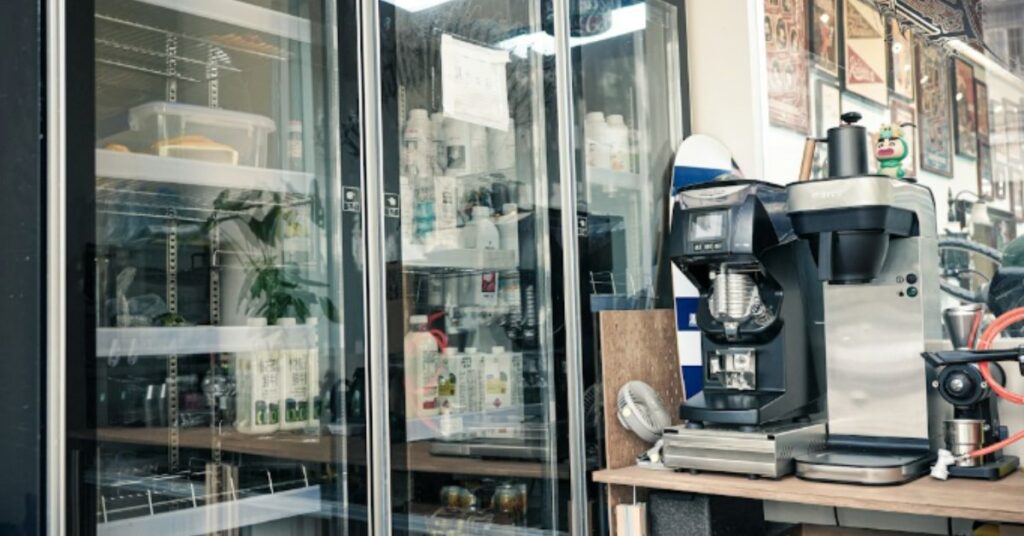
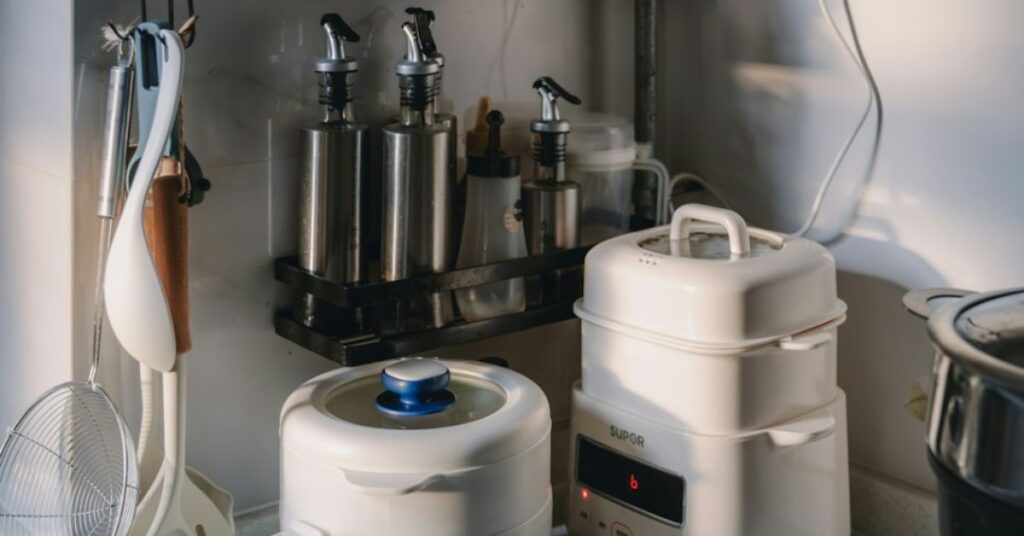
You need the basics: ovens, fryers, prep tables, and refrigeration.

But because speed is vital, you might also need specialized equipment. High-speed ovens or automated packaging machines can shave minutes off ticket times.

Focus on workflow. Design the kitchen so staff can pivot from prep to cook to pack without taking unnecessary steps.

Tech Stack

Technology integration is the backbone of a ghost kitchen.

If you are on Uber Eats, DoorDash, and Grubhub, you don’t want three different tablets ringing at once. It is chaotic.

Use a Point of Sale (POS) system that integrates all these platforms into one screen. This is often called a “kitchen display system” (KDS). It helps manage orders efficiently and reduces errors.

Inventory management software is also crucial. It tracks your stock levels in real-time so you don’t run out of ingredients during a rush.

Choosing the Right Location and Delivery Platform

Location still matters, but for different reasons.

You don’t need pedestrians walking by. You need to be close to where hungry people live and work.

Look for a location within a 3-5 mile radius of dense residential areas or office parks. This ensures delivery drivers can get food to customers while it is still hot.

Selecting Delivery Partners

You have two main paths:

  1. Third-Party Apps: Platforms like DoorDash, Uber Eats, and Grubhub. They bring the customers to you but take a commission.
  2. First-Party Delivery: You build your own website and hire your own drivers. You keep the profit but have to do your own marketing and logistics.

Most ghost kitchens start with third-party apps to build volume and then try to convert loyal customers to their own ordering channels later.

Marketing Your Ghost Kitchen for Maximum Orders

You can’t rely on a sign out front. You have to win online.

Marketing Your Ghost Kitchen for Maximum Orders

Optimize Your Delivery Profiles

Your listing on Uber Eats or DoorDash is your storefront.

Use keywords in your descriptions. If you sell burgers, make sure “burger,” “cheeseburger,” and “fries” appear naturally.

Promotions are powerful. Offering “Free Delivery” or “Buy One Get One” can push you to the top of the list for new customers.

Social Media Marketing

Use Instagram and TikTok to build crave-ability.

Post behind-the-scenes videos of chefs cooking. Share user-generated content from customers enjoying your food.

Run targeted ads on Facebook and Instagram. You can target people within your delivery radius who are interested in specific types of food.

Virtual Brands

One of the best ghost kitchen examples of marketing is the “virtual brand” strategy.

If you have a pizza kitchen, you already have dough, cheese, and sauce. You could launch a separate brand selling calzones using the same ingredients.

This doubles your digital “real estate” on the delivery apps without increasing your inventory costs.

Common Mistakes to Avoid When Starting Out

Many entrepreneurs dive in too fast. Here is how to avoid failure.

ignoring Packaging

Packaging is the only physical touchpoint you have with the customer.

If the food arrives cold or messy, you lose that customer forever. Invest in high-quality, vented packaging that keeps crispy food crispy and hot food hot. Branded packaging also encourages people to post photos on social media.

Underestimating Prep Time

Delivery apps penalize you for slow prep times.

Drivers hate waiting. If you are consistently slow, drivers will stop accepting your orders, and the algorithm will bury your restaurant.

Streamline your menu. If a dish takes 20 minutes to cook, it might not belong in a ghost kitchen.

Failing to Manage Food Cost

In a delivery model, your margins are tight because of the platform fees.

You must be obsessive about food cost. Weigh portions. Track waste. Negotiate with suppliers. If you aren’t careful, the commission fees plus food costs will eat all your profit.

Conclusion

Setting up a ghost kitchen is an exciting opportunity. It lowers the barrier to entry for aspiring restaurateurs and allows established brands to expand quickly.

It is not a “get rich quick” scheme. It requires hard work, smart data analysis, and operational excellence. But if you focus on quality food, efficient workflow, and strong digital marketing, you can build a thriving food business without ever washing a tablecloth.

Now that you know how to set up a ghost kitchen, the next step is yours. Scout a location, draft a menu, and get ready to fire up the grill.

Related Articles

Reference Links: Sources We Trust

Your Questions, Answered

How much does it cost to start a ghost kitchen?

The cost varies widely. You can start in a shared commissary for as little as $20,000 to $50,000. Building out a private commercial space could cost $100,000 or more. This is still significantly less than the $500,000+ often needed for a traditional restaurant.

Yes. Even though you don’t have a dining room, you are a commercial food service establishment. You need a business license, food handler’s permits, and must pass health department inspections just like any other kitchen.

Absolutely. This is one of the biggest advantages. You can run a taco brand, a burrito brand, and a nacho brand all from the same kitchen line using the same ingredients. This maximizes your reach on delivery apps.

The “best” app depends on your city. Generally, you should be on the “Big Three”: Uber Eats, DoorDash, and Grubhub. Being on all of them maximizes your visibility.

Great photos are the #1 factor. After that, focus on speed and ratings. High customer ratings and fast prep times boost your ranking in the app algorithms. Running promotions for first-time customers is also a great way to get initial traction.

Recent Articles

Sign up for Newsletter

Categories

Share

More..

Leave a Reply

Your email address will not be published. Required fields are marked *