
Our editorial team individually chooses every product for kitchen storage that is suggested on neatcupkit. We might get paid if you buy something after clicking on any of these links.
Embarking on a kitchen renovation can feel overwhelming at first. There are so many choices to make, from layouts to finishes. However, with the right plan, you can transform your cooking space into the dream kitchen you’ve always wanted. Explore more Kitchen storage essentials from the Amazon Storefront.
In this guide, I will walk you through exactly how to design a kitchen renovation that suits your lifestyle. We’ll cover everything from budget planning to the final decorative touches. Let’s turn that vision board into reality.
Before you pick out tile or appliances, you need to understand the bones of your space. The layout determines how you move through the room while cooking or cleaning. A smart kitchen layout makes the difference between a chaotic workspace and a seamless one. Read on
How to Start a Kitchen Renovation
Different Kitchen Layout Styles
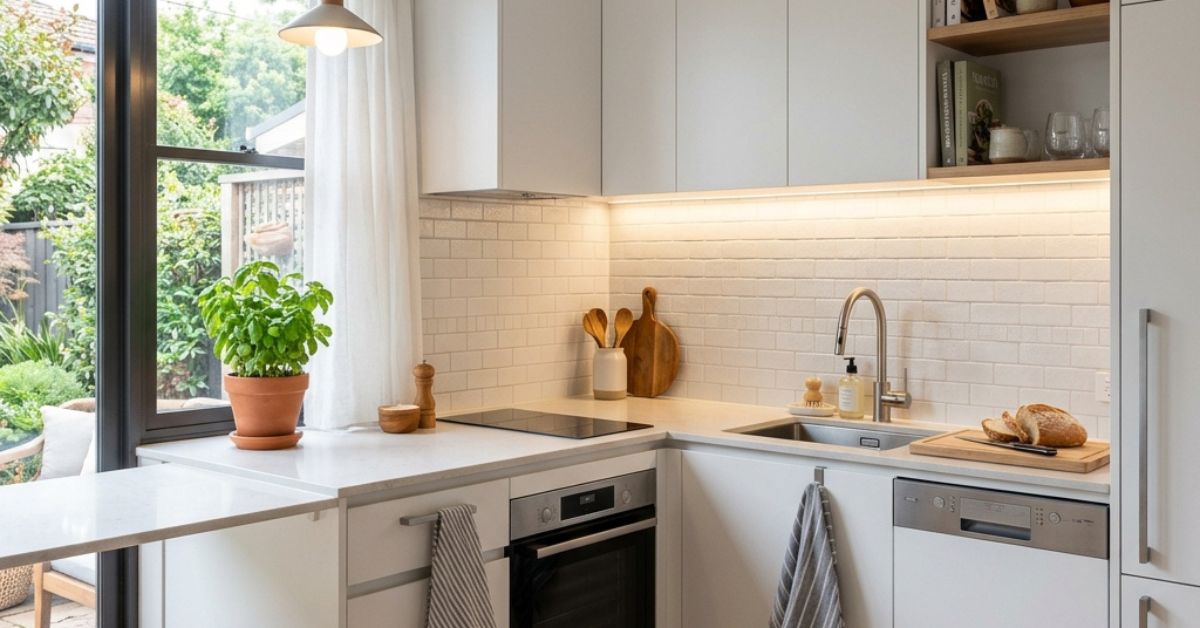
There are several standard layouts to consider for your kitchen renovation. The L-shaped kitchen is incredibly popular because it maximizes corner space and works well for open-plan homes. It usually involves two adjacent walls of cabinetry.
The U-shaped kitchen offers counters on three sides. This design provides ample workspace and storage, making it ideal for enthusiastic cooks. It keeps everything within arm’s reach.
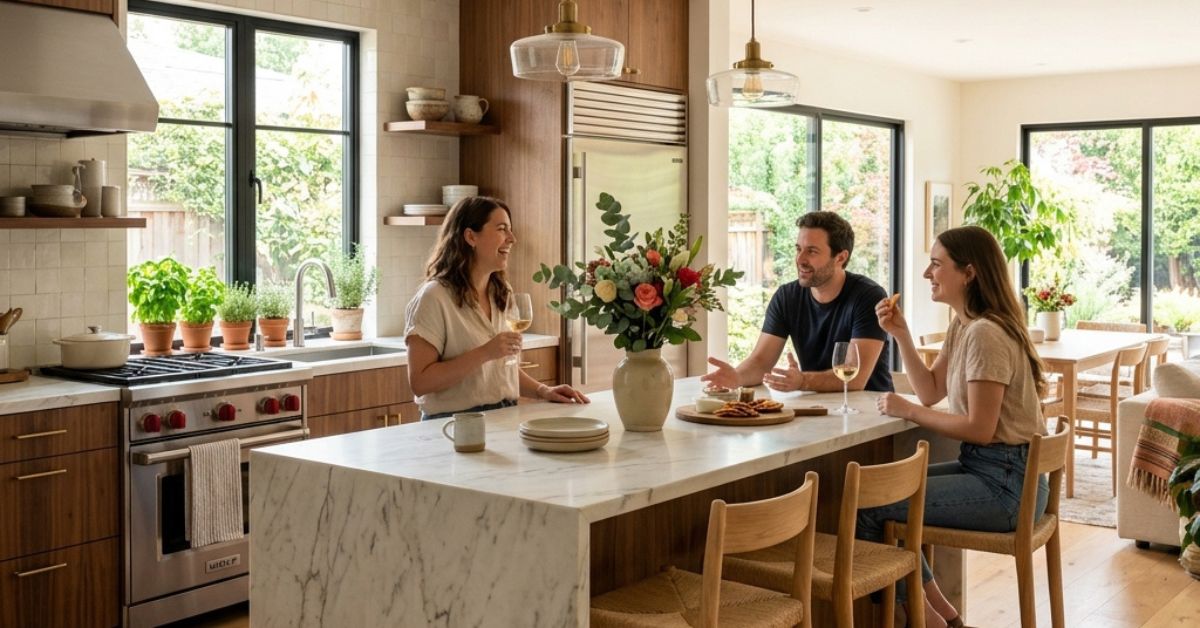
If you have a large space, an island layout is a fantastic choice. It adds a central focal point for gathering and extra prep space. It also directs traffic away from the main cooking zone.
Choosing the Right Kitchen Layout
Space planning is crucial when selecting a layout. You have to work with the existing footprint of your home unless you plan on moving walls. Measure your floor area carefully before committing to a design.
Think about how many people cook at once. If you often have two chefs in the kitchen, ensure your aisles are wide enough. You don’t want to be bumping into each other while carrying hot pots.
Also, consider the connection to adjacent rooms. An open layout helps you stay connected with guests in the living area. A closed layout might be better if you prefer to hide the mess while entertaining.
Benefits of a Galley Kitchen
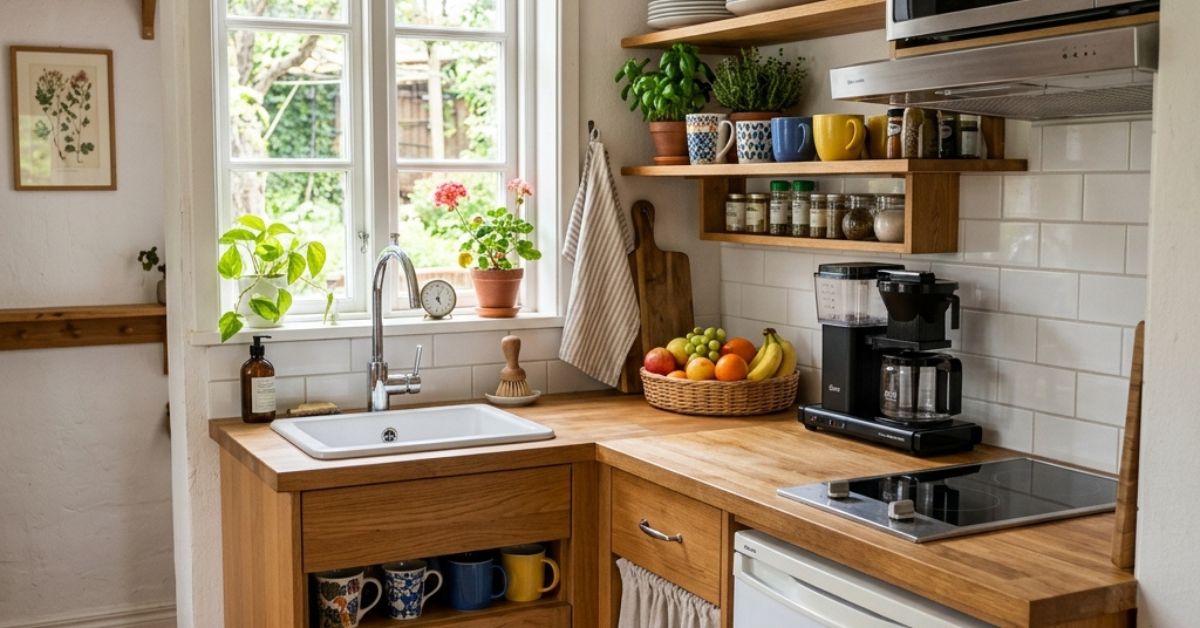
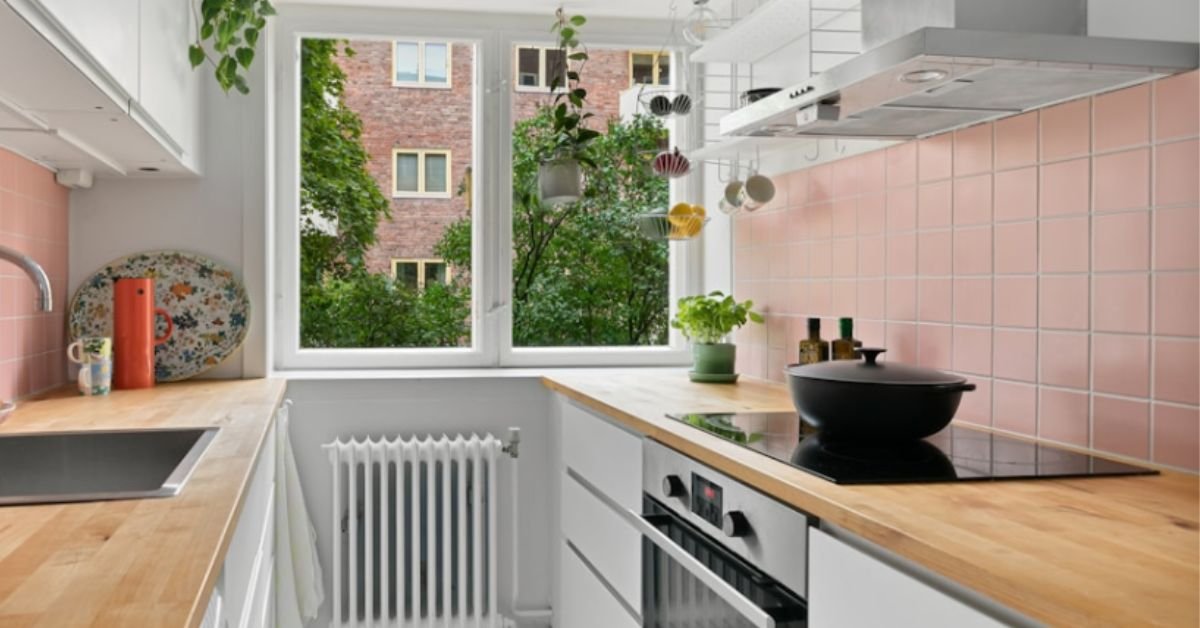
Don’t overlook the galley kitchen. Named after the cooking areas on ships, this layout features two parallel runs of units. It is highly efficient for a kitchen renovation in a smaller home or apartment.
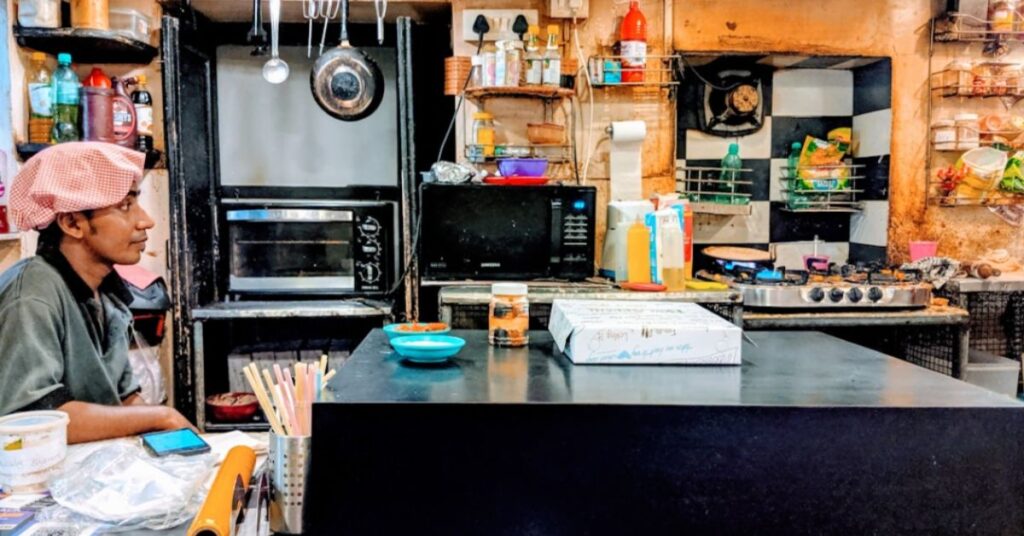
The galley (kitchen) design maximizes every inch of vertical space. It keeps the sink, stove, and refrigerator close together. This creates a tight, efficient work triangle.
Professional chefs often prefer this style for its safety and efficiency. You can pivot from the prep area to the stove without taking more than a step or two. It is a powerhouse layout for serious cooking.
Proper planning prevents poor performance. This adage is especially true when you learn how to design a kitchen renovation. Rushing into demolition without a solid plan can lead to costly mistakes.
Setting a Budget for Your Kitchen Remodel
Money is often the biggest stressor in a kitchen remodel. You need to set a realistic budget early on. Determine exactly how much you are willing to spend and stick to it.
Allocate funds for labor, materials, and a contingency fund. Unexpected issues like outdated plumbing or electrical work often pop up once walls are opened. A 20% buffer can save you from panic later.
Be honest about what you can afford. You might need to compromise on high-end appliances to get custom cabinets. Prioritize the elements that matter most to your daily life.
Creating a Floor Plan
Visualizing your new space is easier than ever. You can use a kitchen planner online to experiment with different configurations. These tools help you see how your ideas fit into the actual dimensions of your room.
For a DIY approach, try an IKEA kitchen planner or similar retail tools. They are user-friendly and great for budgeting specific cabinetry lines. If you want more freedom, look for a free kitchen design tool that isn’t tied to a specific brand.
Many homeowners ask how to design a kitchen renovation online without professional skills. Using 3d kitchen design free software allows you to drag and drop elements. You can move the sink or refrigerator around with a click of a mouse.
If you are tech-savvy, robust kitchen design software can offer detailed renderings. You can even find a kitchen design app free on your tablet for planning on the go. These tools make the process of how to design a kitchen renovation step by step much more manageable.
Incorporating Ergonomic Considerations
A beautiful kitchen must also be comfortable to use. Ergonomic considerations ensure that your kitchen renovation supports your body. Counter heights should match your stature to prevent back strain.
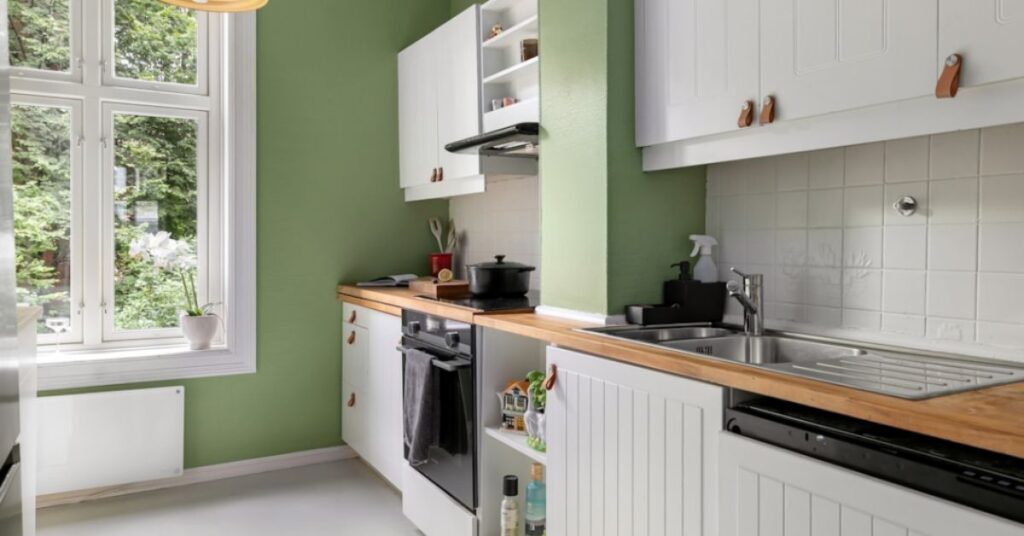
The “work triangle” is a classic ergonomic concept. It connects the stove, sink, and refrigerator in a triangular path. Keeping this path clear ensures smooth workflow optimization.
Think about the placement of the dishwasher relative to storage. You shouldn’t have to walk across the room to put away clean plates. Smart placement saves you thousands of steps over the years.
Now comes the fun part: selecting the style. This is where your personality shines through in your kitchen renovation. You get to choose the textures and colors that make you happy.
Cabinetry Styles and Options
Cabinetry usually eats up the biggest chunk of your budget. It also sets the tone for the entire room. Shaker-style cabinets are timeless and versatile, fitting both modern and traditional homes.
Flat-panel cabinets offer a sleek, contemporary look. They are often easier to clean due to the lack of recessed panels. If you want a rustic vibe, consider raised panel doors with detailed molding.
Don’t forget the hardware. The handles and knobs are like jewelry for your kitchen. Switching them out is an easy way to update a look without a full renovation.
Color Schemes for a Modern Kitchen
Color schemes can drastically change the mood of a room. White kitchens feel bright, airy, and clean. They are a safe bet for resale value.
However, don’t be afraid of color. Navy blue or forest green cabinets can create a stunning, sophisticated focal point. Two-tone kitchens, with darker base cabinets and lighter uppers, are very trendy right now.
Consider the natural light in your space. Dark colors can make a small kitchen feel smaller if there isn’t enough light. Test paint samples on your walls before committing.
Materials and Finishes Selection
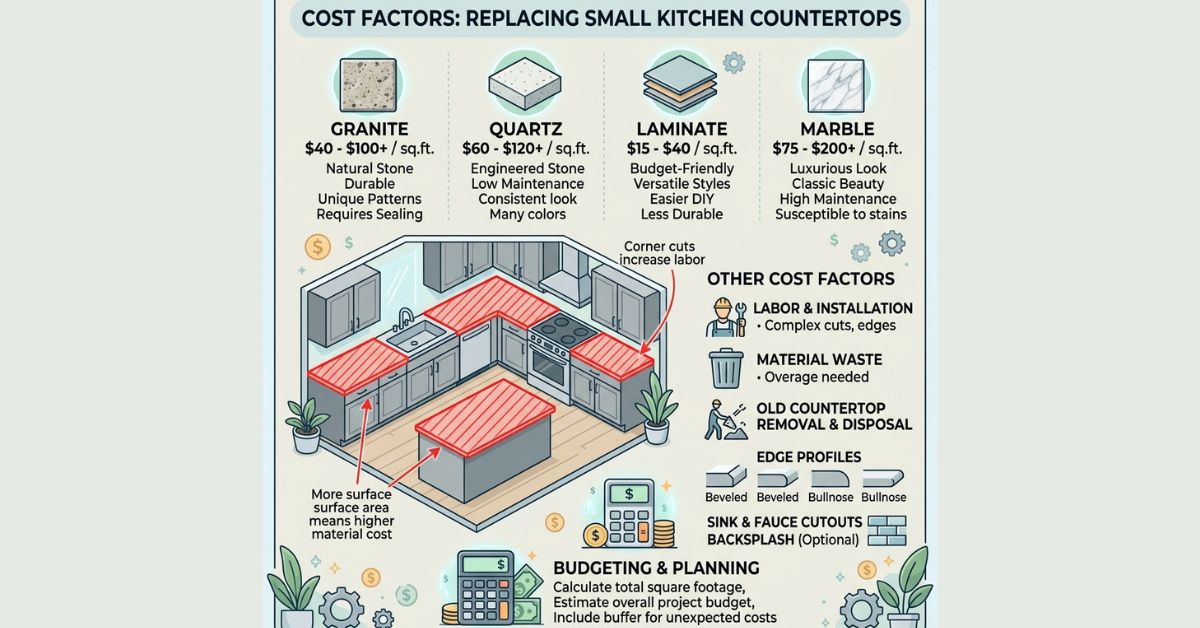
Materials selection involves balancing aesthetics with durability. Countertops take a lot of abuse, so choose wisely. Granite is a natural stone that offers unique patterns and heat resistance.
Quartz is a popular engineered stone. It is non-porous, meaning it resists stains better than natural stone. It requires less maintenance than marble, which creates a luxurious look but scratches easily.
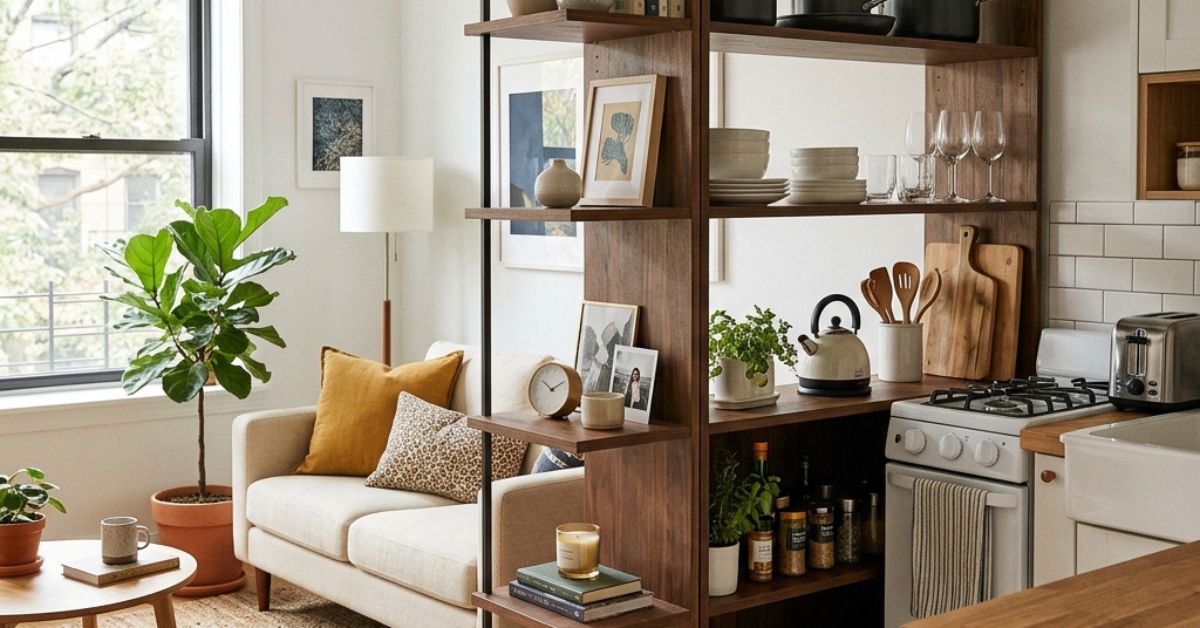
For a modern industrial feel, stainless steel creates a sleek surface. It is incredibly hygienic and durable. Steel accents can also be introduced through appliances or open shelving units.
A larger kitchen naturally requires more cabinetry. This increases both material and labor costs. Complex layouts with tricky corners or unique dimensions also add to the overall price.
Your choice of installer affects labor costs. A DIY installation can save money, but hiring a professional ensures a quality finish, especially for custom jobs. Labor rates vary by region and the complexity of the installation.
Little details add up. Features like glass inserts, decorative molding (like crown molding), soft-close hinges, and special paint colors all contribute to the final cost. The more custom features you add, the more the price rises.
A successful kitchen renovation improves how you cook and clean. It solves the frustrations of your old kitchen. Let’s look at how to make your daily tasks easier.
Appliance Placement Tips
Appliance placement is critical for flow. You don’t want the oven door to block the walkway when open. Ensure there is landing space on the countertop near the oven and microwave for hot dishes.
The refrigerator should be accessible to both the cooking and eating areas. This lets family members grab a drink without getting in the chef’s way. Consider a French-door style if swing clearance is tight.
If you are designing a high-end kitchen, panel-ready appliances can blend seamlessly with your cabinetry. This creates a unified look. It makes the kitchen renovation feel more like a living space.
Storage Solutions for a Functional Kitchen
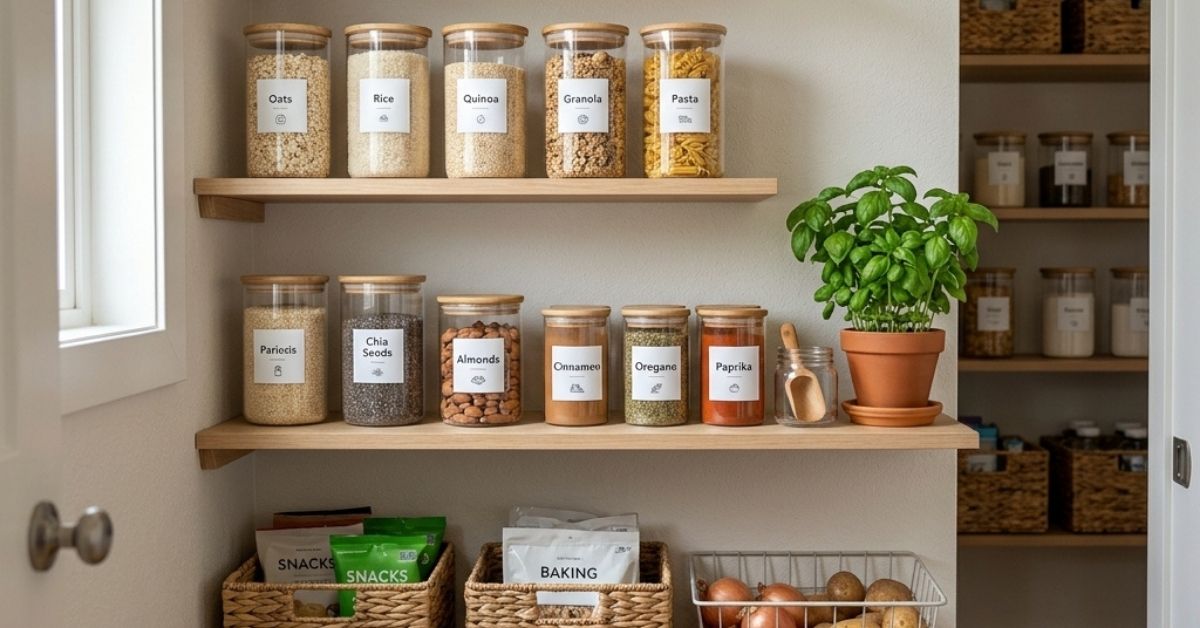
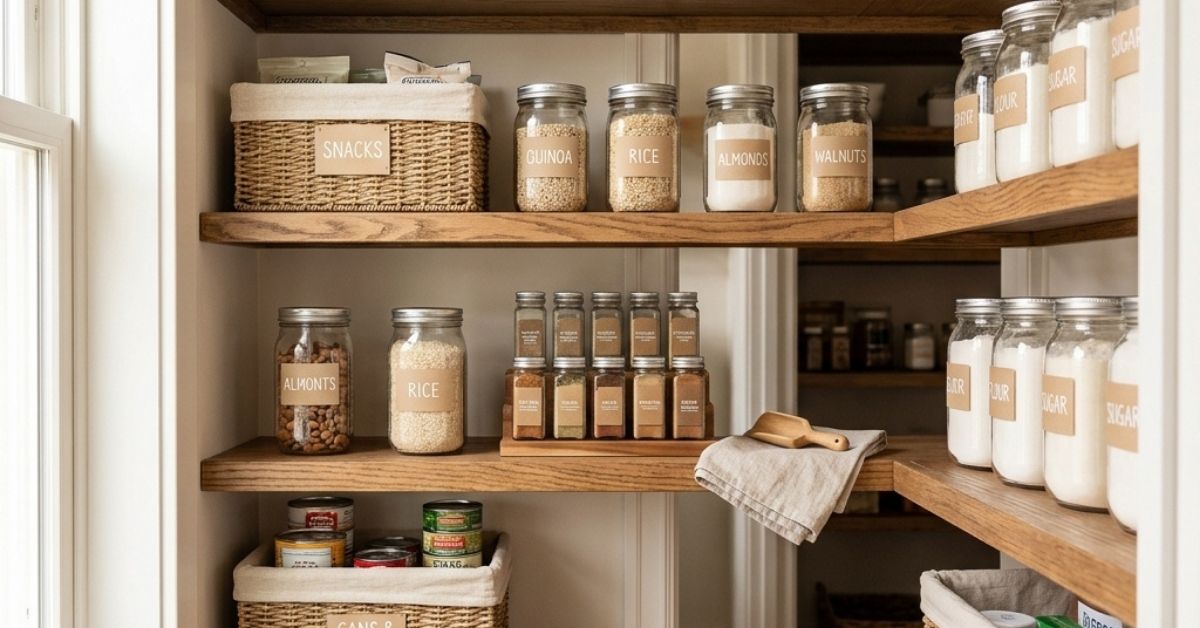
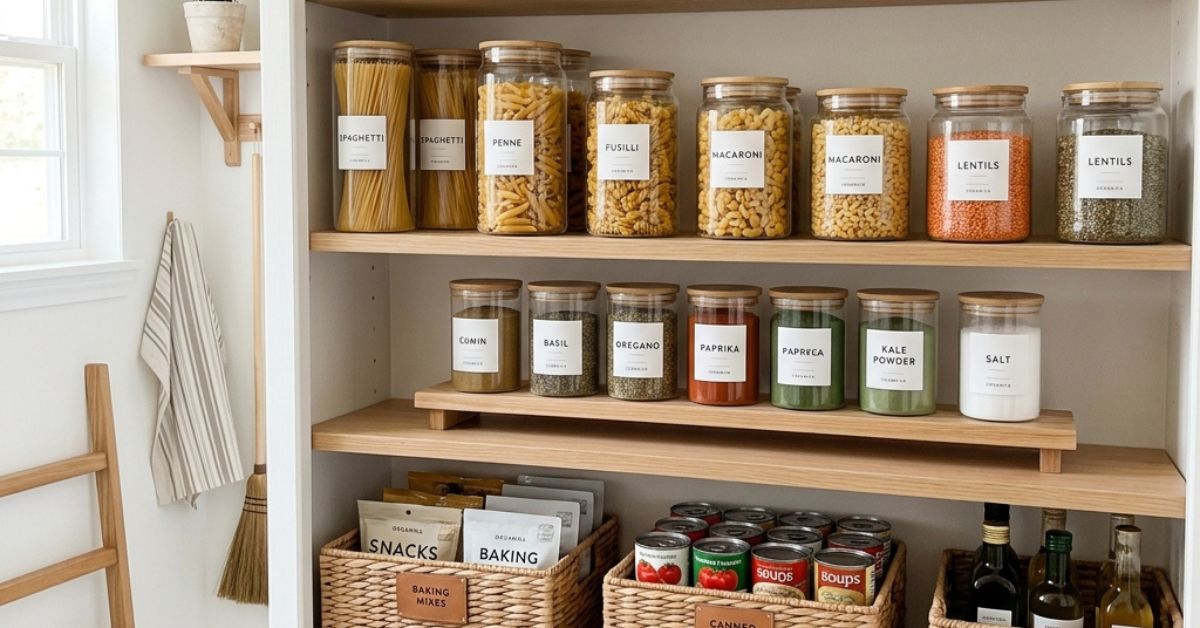
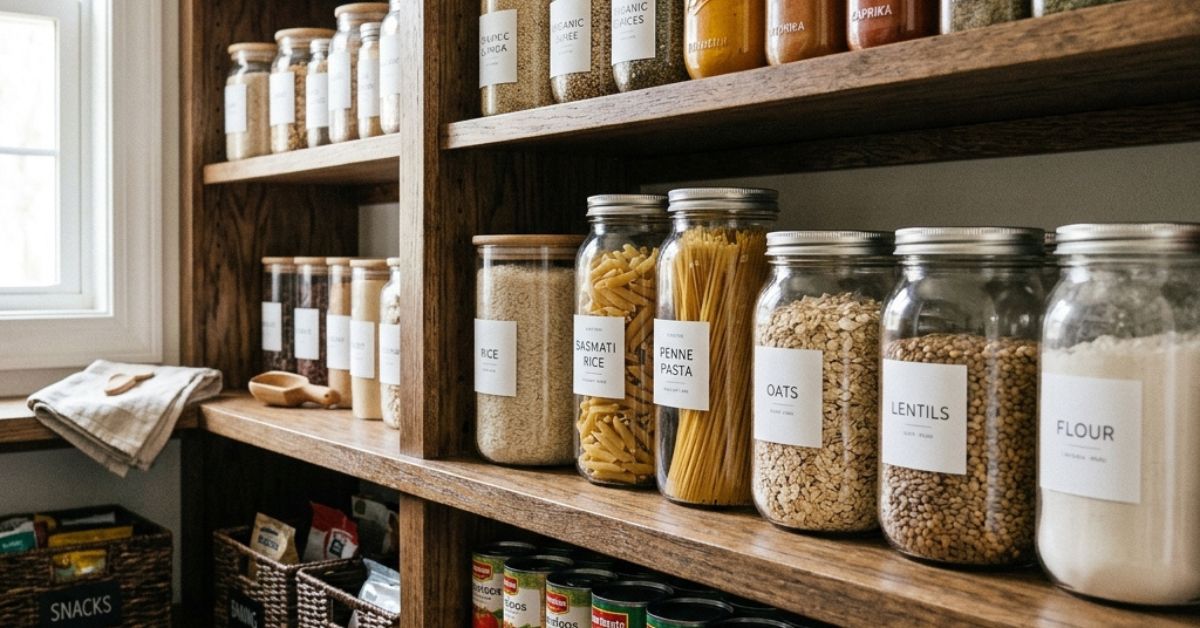
Clutter is the enemy of a functional kitchen. Smart storage solutions keep your counters clear. Deep drawers are often more practical than standard cabinets for pots and pans.
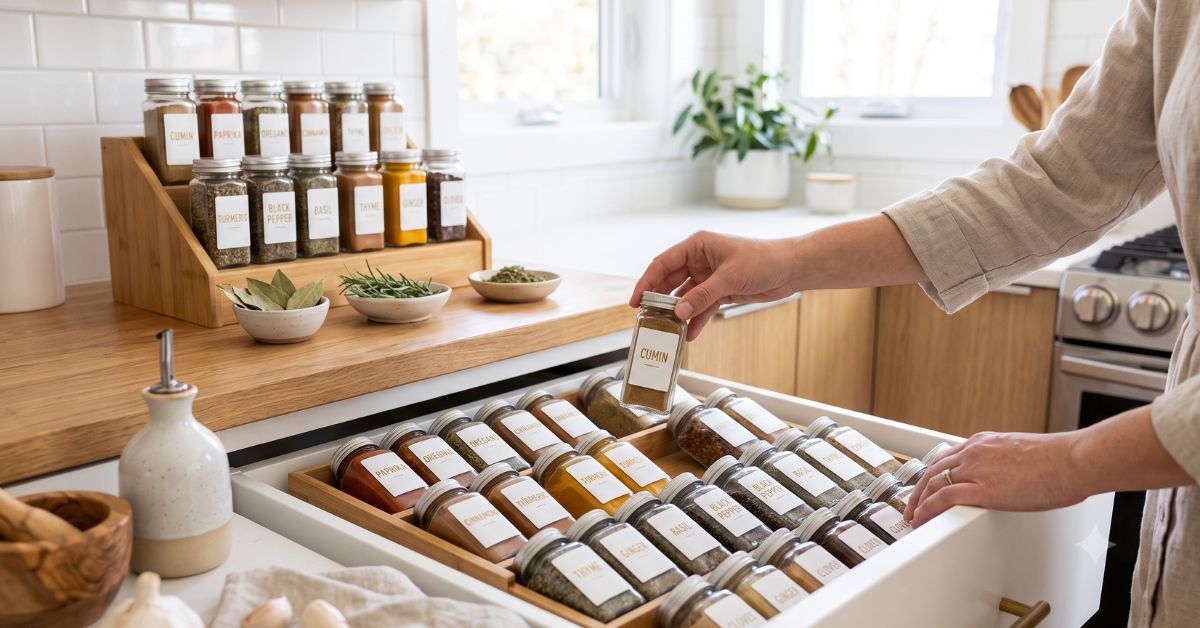
Install pull-out shelves in your pantry. This prevents items from getting lost in the back. A dedicated spice drawer near the stove keeps flavors at your fingertips.
Don’t forget about vertical dividers for baking sheets and cutting boards. Even a narrow pull-out for oils and sauces can be a game-changer. Every kitchen utensil should have a home.
Lighting Design to Enhance Space
Good lighting transforms a space. A layered lighting design is essential for any kitchen renovation. You need ambient light for general illumination and task light for working.
Under-cabinet lighting is a must-have. It illuminates the countertop workspace where you chop and prep. It eliminates shadows cast by overhead lights.
Pendant lights over an island add style and focus. They act as decor while providing light for dining or serving. Dimmers allow you to change the atmosphere from bright workspace to intimate dining area.
You are in the home stretch of your kitchen renovation. The heavy construction is done. Now, you add the details that make the house a home.
Decor Accents to Personalize Your Space
Decor accents bring warmth to the room. A vintage rug can add color and softness to hard flooring. Open shelves offer a place to display pretty cookbooks or ceramics.
Plants breathe life into a kitchen. Herbs on the windowsill are both beautiful and functional. Artwork can also find a place in the kitchen, adding personality to blank walls.
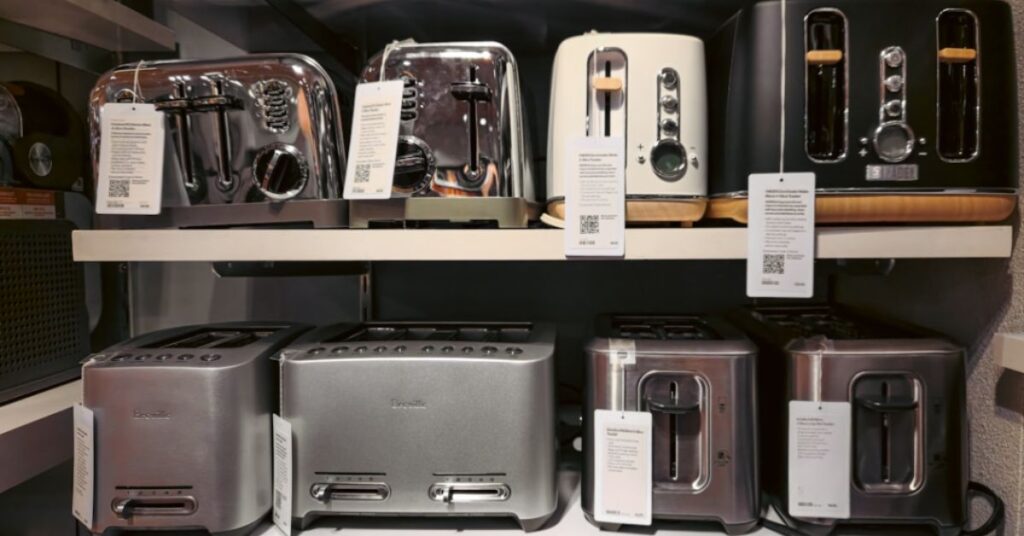
Even your toaster and coffee maker contribute to the look. Choose small appliances that fit your aesthetic. These small choices complete the design of your kitchen renovation.
Ventilation Options for Comfort
Proper ventilation is often an afterthought, but it shouldn’t be. Cooking creates heat, steam, and odors. Ventilation options keep the air clean and comfortable.
A range hood is the most effective solution. It vents smoke and grease outside. Make sure the fan is powerful enough for your stove’s output.
If ductwork isn’t possible, a recirculating fan with a charcoal filter is a backup. It captures grease and odors before releasing the air back into the room. Good air quality is key to a healthy home.
Energy-Efficient Choices for Sustainability
A modern kitchen renovation should be kind to the planet. Energy-efficient choices save resources and lower your utility bills. Look for the Energy Star label on new appliances.
An induction cooktop is more efficient than gas or electric. It heats the pan directly, wasting less heat. Energy conservation is a smart long-term investment.
Choose LED bulbs for all your lighting fixtures. They last longer and use a fraction of the electricity. Efficient energy use makes your kitchen renovation a responsible choice for the future.
Learning how to design a kitchen renovation is a journey. It requires patience, planning, and a bit of creativity. But the result is a space that elevates your daily life.
By focusing on functional layouts, durable materials, and personal touches, you create a room that lasts. Your kitchen renovation is an investment in your home and your happiness. Start sketching your ideas and get ready to cook in style.
The 60-30-10 rule is a color guideline to balance a kitchen’s palette: 60% dominant color (walls/cabinets), 30% secondary color (countertops/large surfaces), and 10% accent color (hardware, fixtures, accessories). Using this split helps create visual harmony when you design a kitchen renovation.
Typical renovation sequence: planning/design and permits, demolition, rough-in work (plumbing/electrical/heating), structural changes, drywall/painting, cabinetry and countertops, appliances and fixtures, flooring, backsplashes and trim, final plumbing/electrical hookups, and cleanup. Following this order reduces rework and coordinates trades efficiently.
The 3×4 rule usually refers to a layout guideline: allow at least three functional zones (cooking, cleaning, storage) and plan clear work aisles roughly 3–4 feet wide for comfortable circulation. It ensures ergonomics and workflow when you design a kitchen renovation.
$10,000 can cover a minor or budget remodel—cosmetic upgrades like paint, hardware, backsplash, refacing cabinets, and mid-range appliances—but won’t suffice for full gut renovations, layout changes, high-end cabinetry, or new plumbing/electrical work. Define priorities and get quotes to match scope with budget when planning your renovation.
Color trends for 2026 emphasize warm neutrals and nature-inspired hues—soft terracotta, warm beige, olive greens, and muted blues—paired with natural wood tones and matte black accents. When designing a kitchen renovation, choose a palette that suits lighting and resale goals, but consider these trending shades for a modern, timeless look.