Our editorial team individually chooses every product for kitchen storage that is suggested on neatcupkit. We might get paid if you buy something after clicking on any of these links.
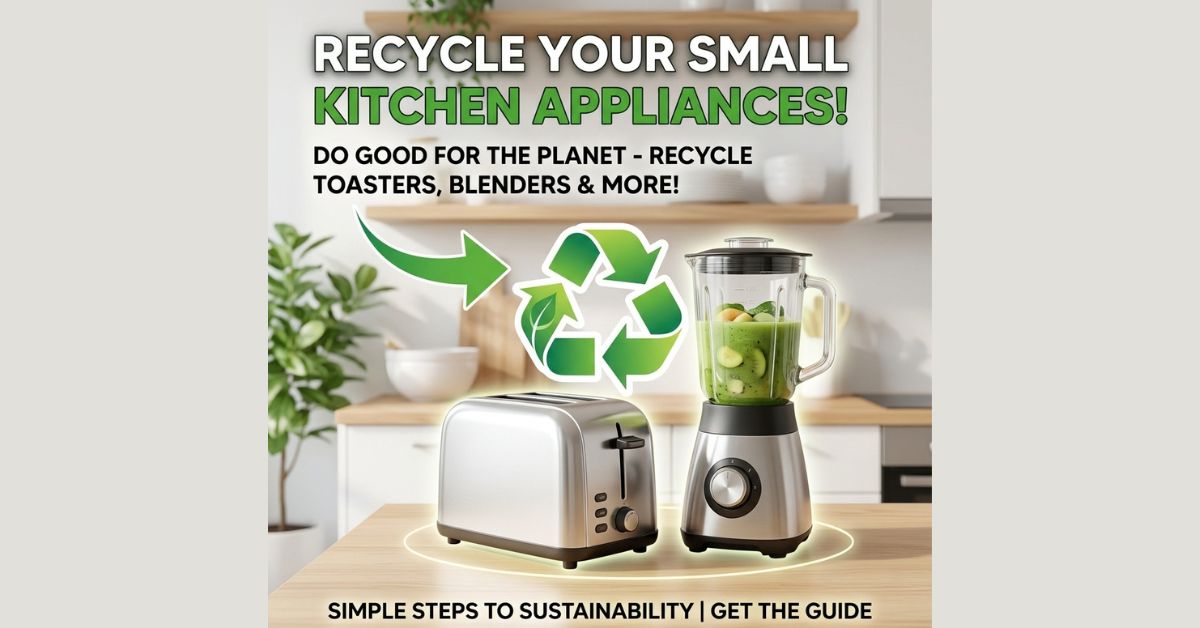
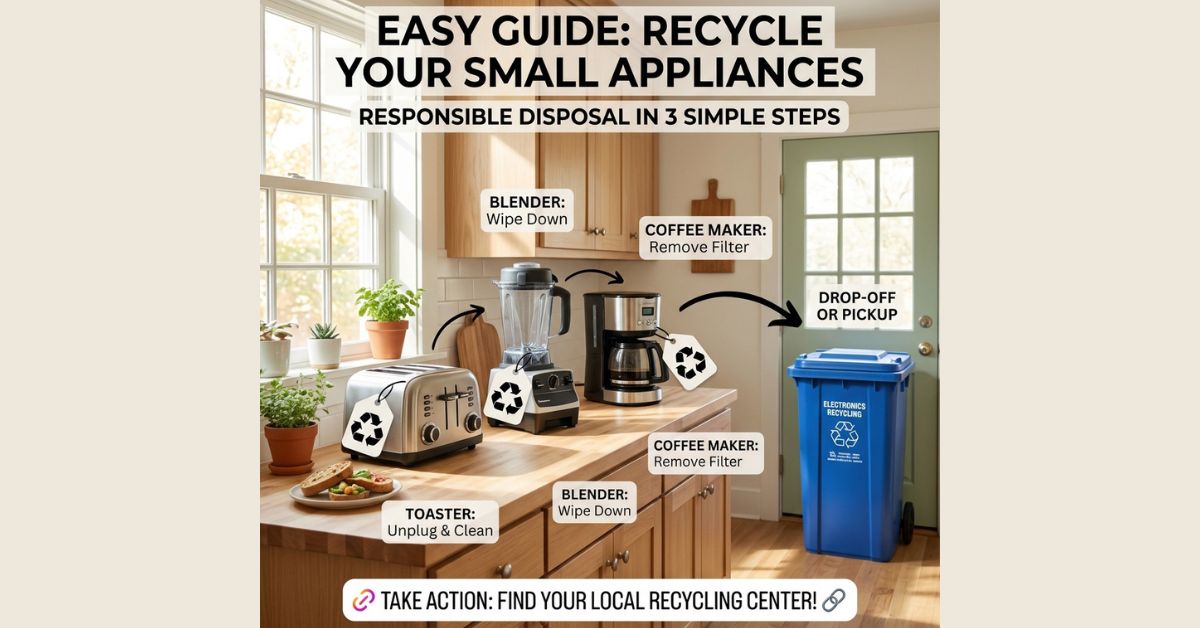
To recycle small kitchen appliances, avoid tossing them in the trash or curbside recycling bin. Instead, use retailer take-back programs (like Best Buy or Staples), drop them off at a certified e-waste recycling center, or donate working appliances to a local charity. Each option keeps harmful materials out of landfills and recovers valuable metals and plastics.
That old blender collecting dust on your counter. The toaster that stopped popping. The coffee maker you replaced after a Black Friday upgrade. We all have small kitchen appliances we no longer use—but most of us don’t know what to do with them. Explore more small kitchen storage essentials from our Amazon Storefront.
Here’s the problem: millions of small appliances end up in landfills every year. When they do, the metal, plastic, and electronic components inside don’t just disappear. They break down slowly, releasing toxic substances into the soil and groundwater. It’s a quiet environmental crisis hiding in plain sight. Read the article on Where to Recycle Small Kitchen Appliances
The good news? Recycling small kitchen appliances is easier than most people think. This guide walks you through everything—from why proper disposal matters to the best places to recycle kitchen gadgets near you.
Why You Shouldn't Just Throw Small Kitchen Appliances in the Trash
Tossing a broken toaster in the trash feels harmless. After all, it’s just a small appliance, right?
Not exactly. Small kitchen appliances are classified as electronic waste, or e-waste. They contain a mix of materials—steel, copper, aluminum, plastic, and sometimes even lithium-ion batteries—that require careful handling. When these materials end up in landfills, they can leach hazardous substances into the environment over time.
Beyond the environmental risk, throwing appliances in the trash is also wasteful. The steel and metal parts in a single blender or microwave can be recovered and reused in manufacturing. Recycling those materials uses significantly less energy than mining raw ones. Every appliance you recycle properly is a small but meaningful step toward more sustainable waste management.
Many cities and states in the United States also have regulations against disposing of electronics in regular waste containers. Ignoring these rules—even unintentionally—can result in fines in some jurisdictions.
How to Recycle Small Kitchen Appliances: Step-by-Step
Recycling a small kitchen appliance doesn’t require a lot of effort. Follow these steps to do it the right way.
Step 1: Check if the Appliance Still Works
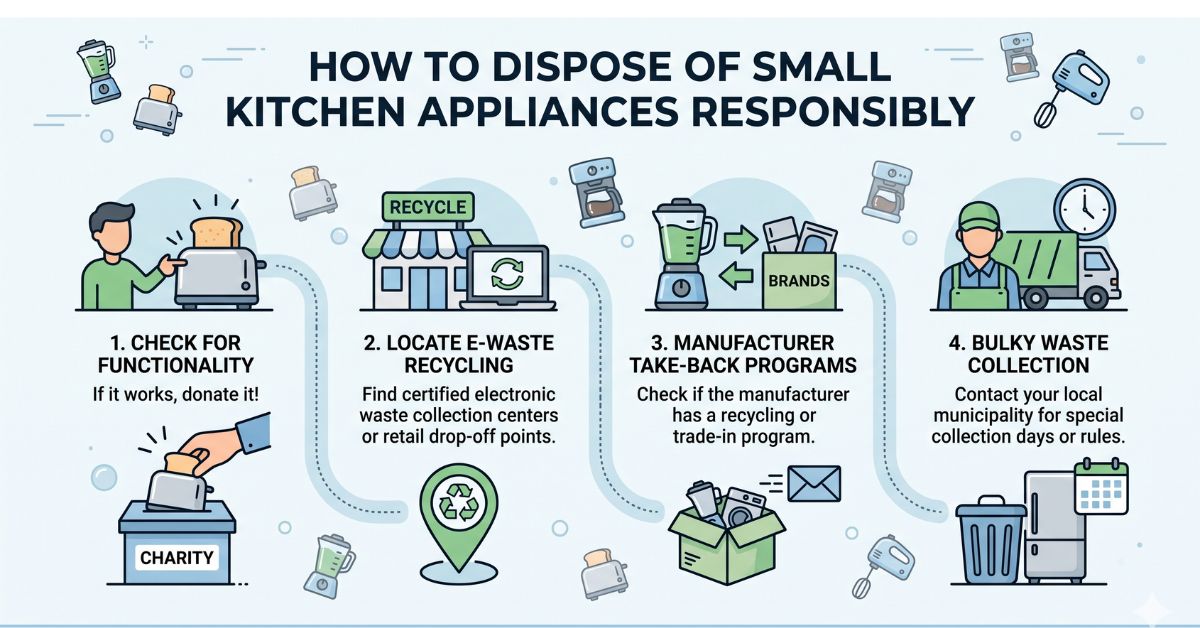
Before recycling, ask yourself: could someone else use this? A functioning coffee maker or electric kettle may have plenty of life left. If it works, donation is often the better option. More on that below.
Step 2: Remove Batteries (If Applicable)
Some appliances—like cordless hand mixers or smart kitchen devices—contain lithium-ion batteries. Remove these before recycling. Lithium-ion batteries require separate disposal at a hazardous waste collection center or a battery-specific drop-off point.
Step 3: Clean the Appliance
Give the appliance a quick clean before dropping it off. Most recycling programs accept dirty appliances, but removing food residue is courteous and, in some cases, required by local recycling regulations.
Step 4: Find a Drop-Off Location Near You
Search for “e-waste recycling near me” or “free small appliance recycling near me” to find certified recycling centers in your area. Many municipalities host periodic collection events, and some operate permanent drop-off facilities like the OC Household Hazardous Waste Collection Center in Orange County, California.
Step 5: Drop Off and You’re Done
Most drop-off programs are free and take just a few minutes. No paperwork, no hassle—just a quick trip that makes a real difference.
Best Disposal Options: Drop-Off Centers, Retailer Take-Backs, or Donation?
There’s no single “best” way to recycle small kitchen appliances—it depends on the appliance’s condition and what’s available near you. Here’s how each option compares. Explore Best Small Kitchen Storage Ideas in our Amazon Storefront.
Retailer Take-Back Programs
Several major retailers in the United States run appliance recycling programs that make e-waste disposal convenient.
Best Buy operates one of the most well-known small appliance recycling programs. Customers can drop off most small electronics and appliances at any Best Buy store, free of charge. The retailer partners with certified recyclers to ensure responsible electronics waste management.
Staples Inc. also accepts small electronics and appliances for recycling at many of its locations. Check the Staples website for specific items accepted at your nearest store.
These programs are ideal if you want a quick, no-cost option without driving to a dedicated recycling center.
Local Drop-Off and E-Waste Recycling Centers
Dedicated e-waste recycling centers accept a wider range of appliances and materials than most retailers. Search “blender recycling near me” or “where to recycle toaster oven near me” to find options in your city. Many waste management agencies maintain searchable databases of certified local recycling locations.
Some centers operate as scrap facilities, recovering raw materials like steel and aluminum for reuse. Others are electronics-focused and handle more complex devices, including microwaves and appliances with circuit boards.
Donation Options
If the appliance still works, donate it. Local charity shops, Goodwill, Habitat for Humanity ReStores, and community shelters often welcome working kitchen appliances. Donation extends the product’s life, reduces demand for new manufacturing, and helps someone in need.
Just make sure the appliance is in safe, working condition before donating. Most organizations won’t accept items that are broken, heavily worn, or potentially hazardous.
Choose a retailer take-back program if convenience matters most. Choose a local recycling center if you have multiple items or bulkier appliances like a microwave. Choose donation if the appliance still functions well.
How to Handle Different Types of Appliances
Not all small kitchen appliances are the same. Here’s a quick breakdown by appliance type.
Toasters and Toaster Ovens
Toasters are mostly made of steel and plastic—both highly recyclable materials. Search “where to recycle toaster oven near me” to find a drop-off point. Most Best Buy and Staples locations accept them. Avoid placing a toaster in a curbside recycling bin, as the mixed materials require specialized processing.
Blenders and Food Processors
Blenders contain a motor, metal blades, and plastic housing. The motor and blades are valuable for scrap metal recycling. Search “blender recycling near me” to locate a suitable facility. If the blender is still functional, consider donating it first.
Microwaves
Microwaves are larger and more complex. They contain metal, plastic, and electronic components. Most curbside programs won’t accept them. Your best options are a local e-waste recycling center or a Best Buy drop-off (policies vary by location, so call ahead). Some waste collection services offer bulk pickup for appliances—check with your local waste management provider.
Coffee Makers and Electric Kettles
Coffee makers and electric kettles are among the most commonly replaced small appliances. To recycle an electric kettle, search “where to recycle electric kettle” along with your city or ZIP code. Retailer programs and e-waste centers both typically accept these items.
Make Recycling a Habit, Not an Afterthought
Learning how to recycle small kitchen appliances is one of those small actions with an outsized environmental impact. When you dispose of appliances responsibly, you help recover valuable materials, reduce landfill pressure, and support a circular economy that benefits everyone.
Start simple: the next time you replace a kitchen gadget, don’t toss the old one in the trash. Check if it works. If it does, donate it. If it doesn’t, find your nearest recycling drop-off—whether that’s a Best Buy store, a local e-waste center, or a community collection event.
Sustainable disposal methods don’t require major lifestyle changes. They just require a little more intention.
Can I put small kitchen appliances in my curbside recycling bin?
No. Small kitchen appliances contain mixed materials—metal, plastic, and electronic components—that standard kerbside collection programs cannot process. Placing them in a regular recycling bin can contaminate the entire load and disrupt local recycling operations. Use a designated e-waste drop-off location or retailer take-back program instead.
Do I need to clean the appliances before recycling them?
It’s a good idea to give the appliance a basic clean before recycling. While most drop-off centers and take-back programs don’t require it, removing food residue makes the process easier for recycling facility staff. For appliances like coffee makers, empty and rinse the water reservoir before dropping it off.
What should I do if the appliance is still in working condition?
Donate it. Working appliances in good condition are welcomed by charity shops, Goodwill, Habitat for Humanity ReStores, and local shelters. Donating extends the appliance’s useful life, reduces waste, and supports your community. If the appliance is too old or specific for donation, then recycling is the next best option.
Are there any kitchen appliances that cannot be recycled?
Most small kitchen appliances can be recycled in some form. However, appliances containing certain hazardous materials—like older microwaves with specific components—may need to be handled by specialized facilities. When in doubt, contact your local OC Household Hazardous Waste Collection Center or equivalent waste management service for guidance on how to dispose of kitchen appliances safely.
Do retailers charge a fee for appliance take-back programs?
Most retailer take-back programs in the United States are free. Best Buy and Staples both offer no-cost drop-off for most small appliances and electronics. Some programs may charge a small fee for certain large or complex items, so it’s worth checking the retailer’s website before you visit.