Our editorial team individually chooses every product for kitchen storage that is suggested on neatcupkit. We might get paid if you buy something after clicking on any of these links.
A kitchenette typically includes a compact refrigerator, a microwave or small cooktop, a prep sink, limited counter space, and basic cabinet storage. It differs from a full kitchen in size, appliances, and cooking capacity—making it ideal for small living spaces, hotel suites, and guest units.
You’re scoping out a studio apartment or an extended-stay hotel, and the listing says “kitchenette included.” Sounds convenient—but what does that actually mean? Knowing exactly what a kitchenette includes helps you decide whether the space will meet your daily needs, or leave you ordering takeout every night.
This guide breaks down what appliances and features a kitchenette typically includes, how it compares to a full kitchen, and where you’re most likely to find one.
What Is a Kitchenette?
A kitchenette is a compact, scaled-down cooking area designed for light meal preparation. It packs the basic functions of a kitchen into a much smaller footprint—usually between 40 and 100 square feet. Explore more kitchen storage essentials in our Amazon storefront.
Unlike a full kitchen, a kitchenette doesn’t have a full-sized oven, a dishwasher, or a pantry. It’s built for convenience, not culinary ambition. Think of it as everything you need to make breakfast and reheat leftovers—without the space to host a dinner party.
What Appliances and Essentials Does a Kitchenette Typically Include?
Compact Refrigerator or Mini Fridge
Almost every kitchenette includes some form of refrigeration. This is usually a compact refrigerator or mini fridge, typically ranging from 1.7 to 4.5 cubic feet. It keeps your essentials cold—drinks, leftovers, dairy, and fresh produce.
Some kitchenettes in extended-stay rentals (like those found at Extended Stay America properties) offer a larger mid-size fridge. But in a hotel suite or dorm room, a mini fridge is the standard.
Microwave or Convection Microwave
A microwave is the workhorse of any kitchenette. It handles reheating, defrosting, and simple cooking tasks quickly. More upgraded kitchenettes may include a convection microwave, which adds basic baking and broiling functions—a useful step up when there’s no oven in sight.
Single or Double Burner Hot Plate or Induction Cooktop
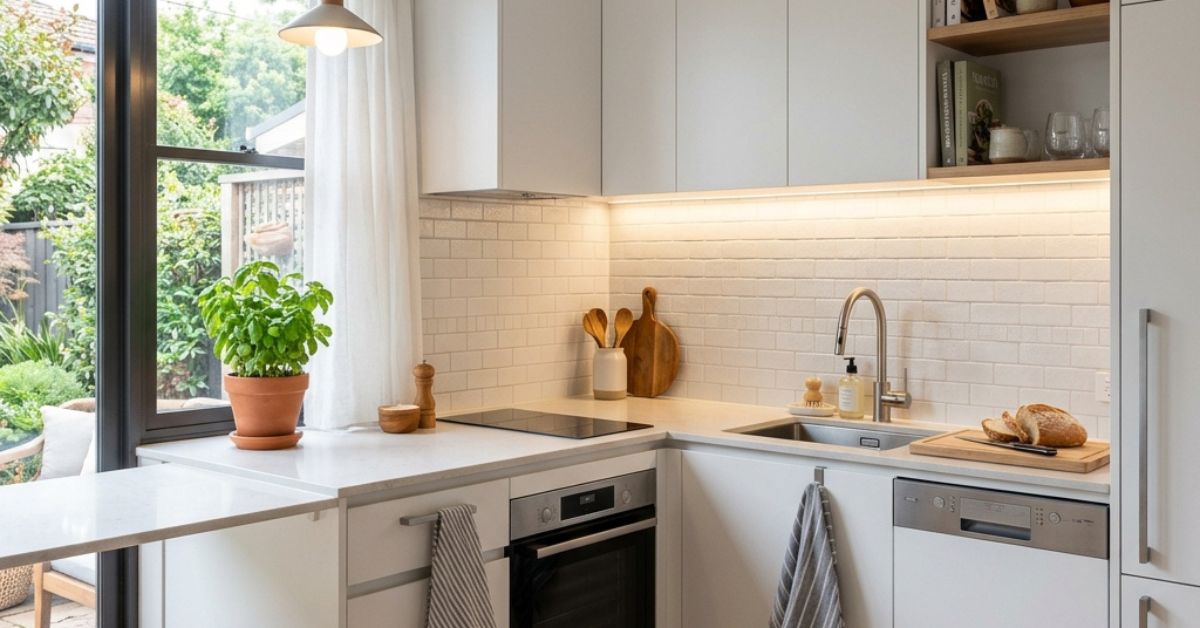
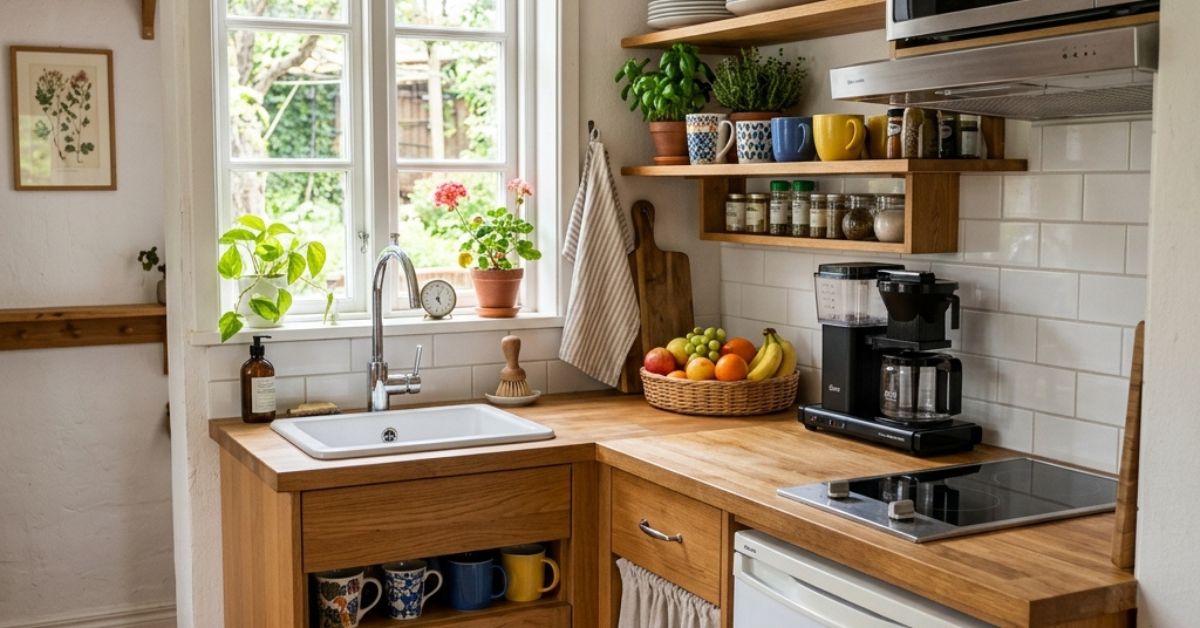
Does a kitchenette have a stove? Not in the traditional sense. Most kitchenettes use a portable hot plate or induction cooktop instead of a built-in range. A single or double burner unit gives you enough power to boil water, sauté vegetables, or heat a pan of soup.
Induction cooktops are increasingly common in modern kitchenettes because they’re energy-efficient and safer in small spaces.
Small Prep Sink and Faucet
Does a kitchenette have a sink? Yes—most do. A small prep sink with a basic faucet is a standard feature. It lets you wash produce, rinse dishes, and fill pots. The sink is usually compact (around 15 by 15 inches) and mounted into a short section of countertop.
Some basic kitchenettes—particularly in office breakrooms or pool houses—may skip the sink entirely. Always confirm before booking or renting.
Basic Countertop Space and Minimal Cabinet Storage
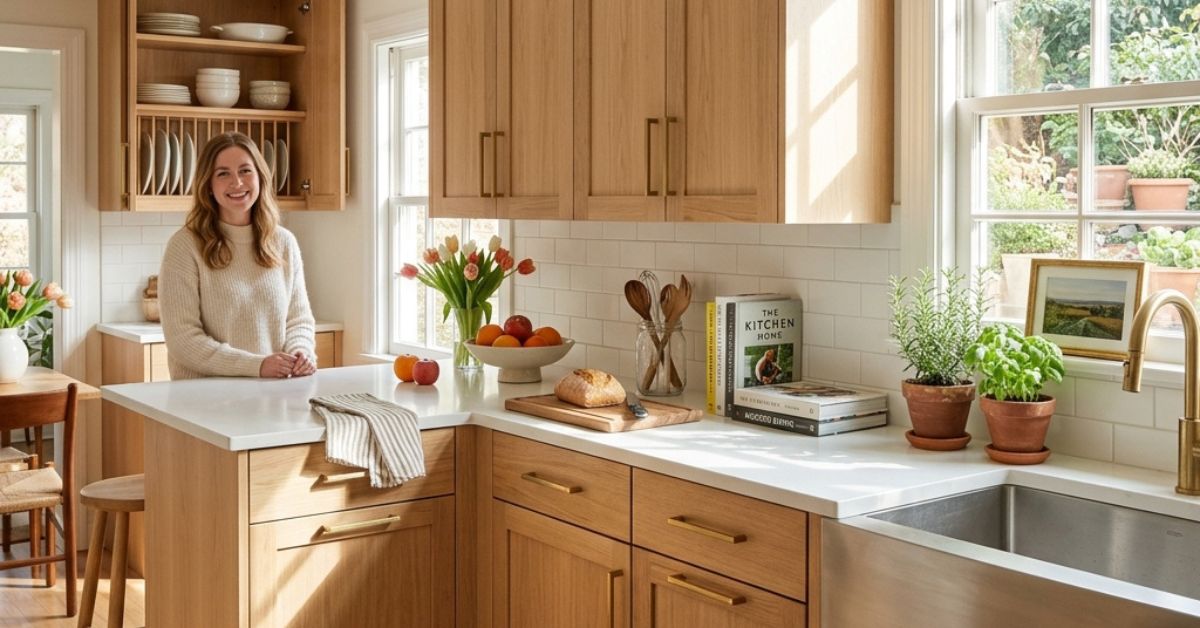
Counter space in a kitchenette is limited. You’ll typically get a small run of countertop, just enough for a cutting board and a small appliance or two. Cabinet storage is minimal—often just a few shelves for dishes, dry goods, and cookware.
This is one of the starkest differences between a kitchenette and a full kitchen, where cabinetry and countertops are measured in linear feet, not inches.
Small Countertop Appliances
Many kitchenettes also include small countertop appliances such as a coffee maker, toaster oven, or electric kettle. These vary by setting. A hotel kitchenette might stock a drip coffee maker and a toaster. A residential kitchenette might leave appliance choices up to the occupant.
These small additions make a big difference in day-to-day comfort—especially if you rely on your morning coffee ritual.
Kitchenette vs. Full Kitchen: What Are the Key Differences?
Size and Square Footage
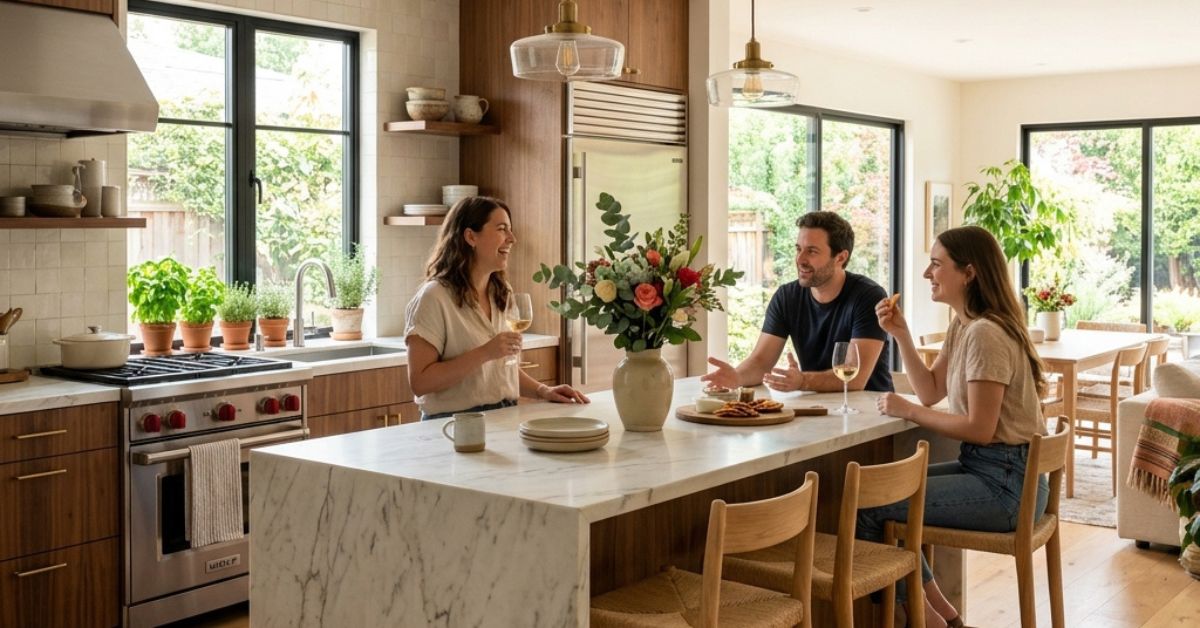
A full kitchen typically spans 150 to 300+ square feet, with room for multiple people to move around. A kitchenette occupies a fraction of that—sometimes as little as a single wall of a studio apartment. Size is the defining factor that shapes every other difference.
Major Cooking Appliances: Full Oven/Range vs. Compact Units
A full kitchen features a full-sized range with a built-in oven. A kitchenette relies on smaller alternatives—a hot plate, induction cooktop, or countertop convection microwave. This limits the types of meals you can prepare, particularly anything that requires baking or roasting.
Storage Capacity and Pantry Access
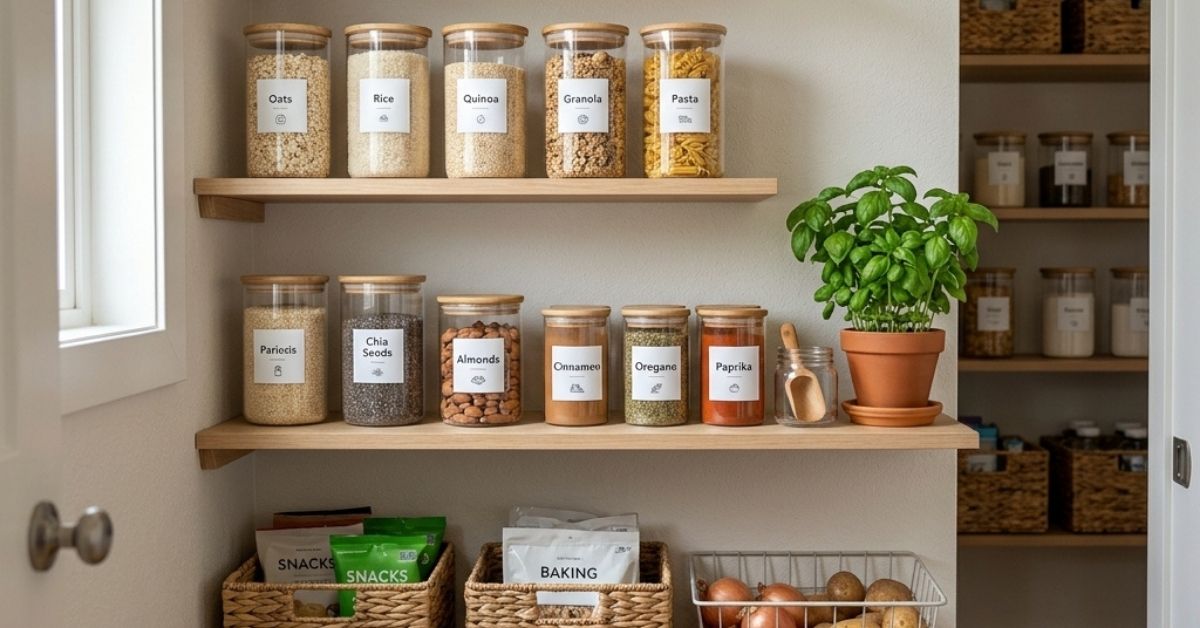
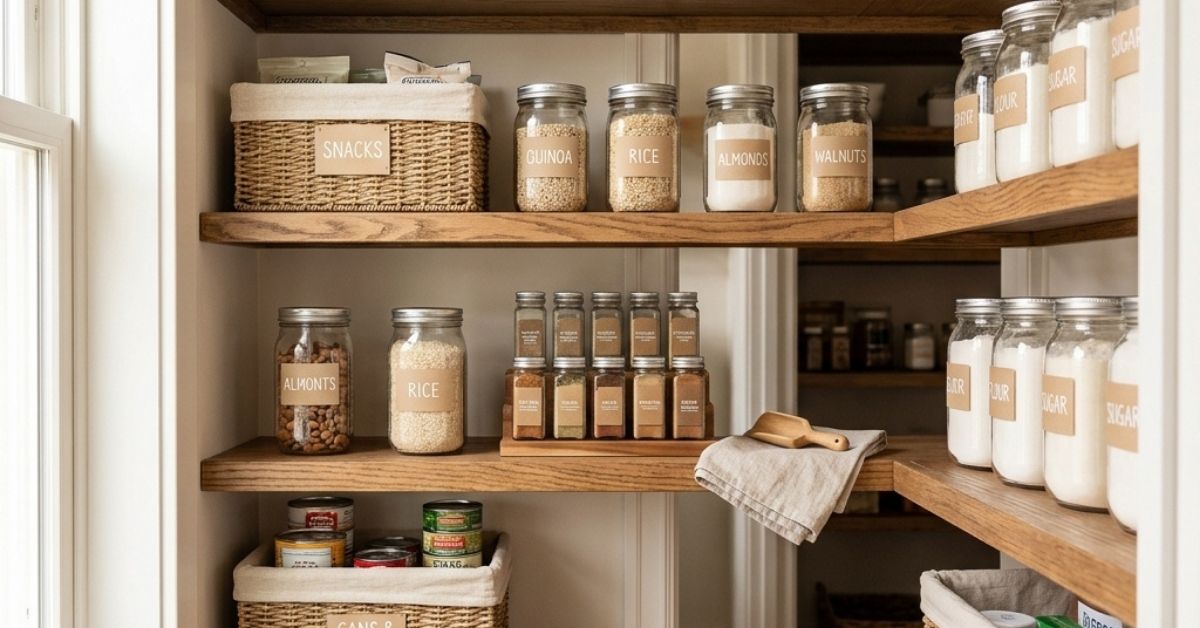
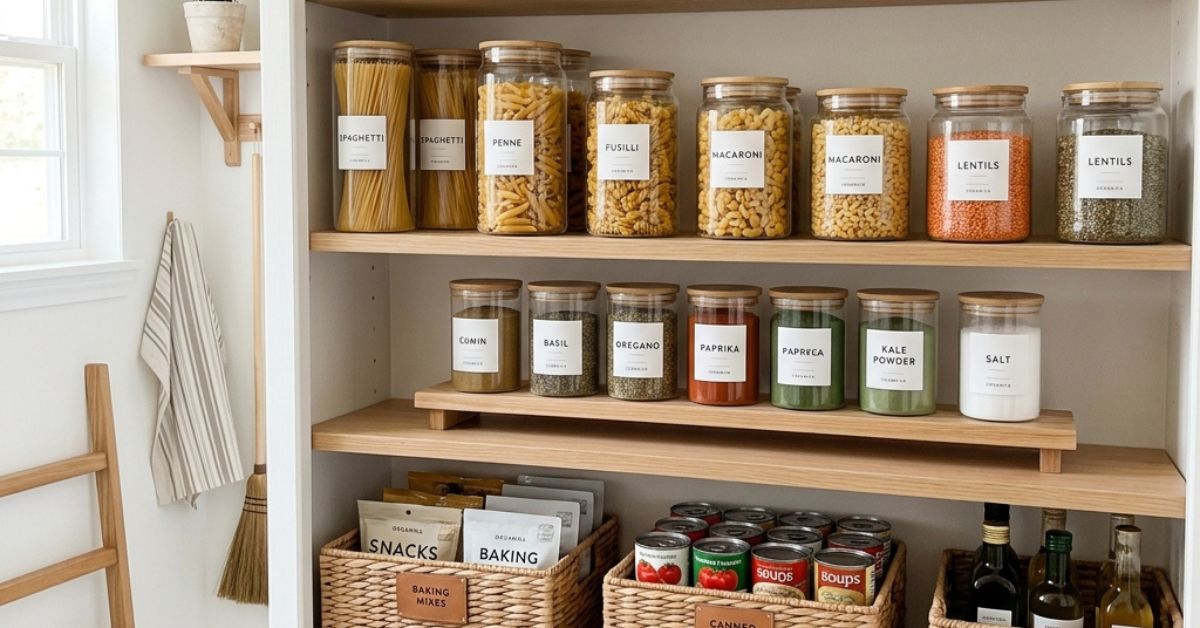
Full kitchens offer deep cabinets, pantry closets, and sometimes kitchen islands with storage. A kitchenette keeps storage bare-bones. If you buy groceries in bulk or like to stock a variety of ingredients, a kitchenette will feel tight fast.
Plumbing and Dishwasher Availability
Full kitchens almost always include a dishwasher and a full-sized sink with garbage disposal. Kitchenettes rarely have a dishwasher—though some upscale apartment kitchenettes include a compact or countertop mini dishwasher. Plumbing in a kitchenette is simpler and less extensive, which is part of why they’re cheaper to install.
Where Are Kitchenettes Typically Found?
Studio and Efficiency Apartments
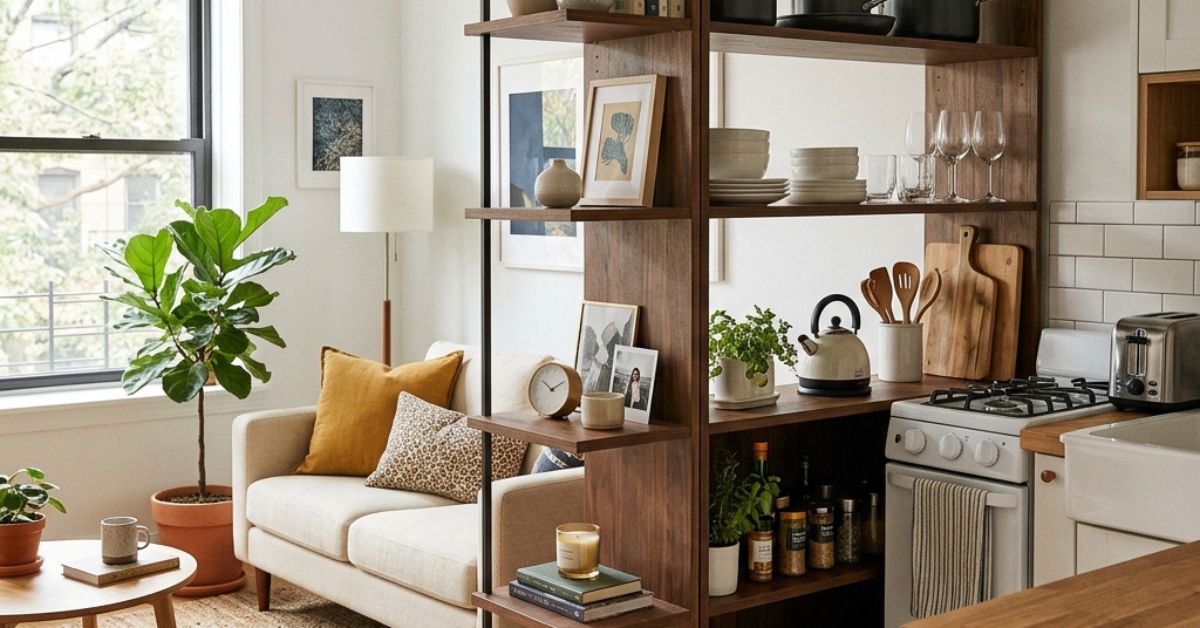
The kitchenette is a defining feature of studio and efficiency apartments, especially in high-density cities like New York City. When living space is at a premium, a kitchenette delivers essential cooking functions without sacrificing square footage elsewhere.
Hotel Suites and Extended-Stay Rentals
Hotels and apart-hotels (like Apart Hotel Rugby) targeting business travelers and long-term guests often include kitchenettes. Extended-stay properties understand that guests cooking their own meals saves money and increases comfort—both big draws for longer bookings.
Basements, In-Law Suites, and Guest Houses (ADUs)
Accessory dwelling units (ADUs)—think basement apartments, in-law suites, and backyard guest houses—frequently include kitchenettes. They provide just enough independence for a guest or tenant without the cost of building a full second kitchen.
The tiny-house movement has also embraced kitchenettes as the smart solution for maximizing a small footprint without sacrificing functionality.
Office Breakrooms and Pool Houses
Breakrooms and pool houses call for light food prep capabilities—a place to store lunches, brew coffee, and rinse out a mug. A kitchenette fits perfectly. These settings rarely need full cooking capacity, making a compact setup the practical choice.
Pros and Cons of Having a Kitchenette
Space-Saving and Cost Efficiency
Kitchenettes cost significantly less to build than full kitchens—both in materials and plumbing labor. For landlords and property developers, this translates to lower construction costs. For renters, it often means lower rent. The smaller footprint also frees up floor space for living areas, which matters enormously in compact apartments.
Limited Meal Prep and Cooking Capabilities
The tradeoff is clear: you can’t cook everything in a kitchenette. Large batch cooking, baking, or preparing meals for multiple people becomes a challenge. Storage limitations mean grocery runs need to be more frequent. If you love cooking elaborate meals, a kitchenette will feel like a constraint.
The good news? With a solid induction cooktop, a convection microwave, and a bit of creativity, you can prepare a surprisingly wide range of meals. Many people adapt quickly.
Make the Most of Your Kitchenette Space
A kitchenette doesn’t mean settling for less—it means cooking smarter. With the right appliances and a clear understanding of what the space includes, you can cover your daily meal needs without a full kitchen. Whether you’re outfitting a guest suite, evaluating a rental, or planning an ADU build, knowing what a kitchenette includes helps you make a more informed decision.
Before committing to any space, confirm exactly which appliances are provided, whether the sink and cooktop are included, and how much storage is available. A well-equipped kitchenette can genuinely serve your needs—a poorly equipped one will send you to restaurants far more often than you’d like.
Can you have a full stove or oven in a kitchenette?
Technically, yes—but it’s uncommon. Most kitchenettes use a hot plate or induction cooktop rather than a full range. Some building codes, particularly in New York City, restrict or prohibit full stoves in kitchenettes to reduce fire risks in compact spaces. Always check local regulations if you’re planning a build or renovation.
Does a kitchenette always have a sink?
Most kitchenettes include a small prep sink, but it’s not universal. Basic setups in office breakrooms, pool houses, or older hotel rooms may omit a sink entirely. If running water is essential to your needs, confirm its availability before signing a lease or booking a stay.
What is legally considered a kitchenette for rental units?
Legal definitions vary by location and local building codes. In many jurisdictions, a kitchenette is defined as a cooking area that lacks a full-sized range or oven. Some codes, like those enforced in New York City, set specific requirements around appliance types and ventilation. Landlords and developers should consult local zoning and building regulations before installation.
Can you cook full meals using a kitchenette?
Yes, with some limitations. A kitchenette with a two-burner cooktop, convection microwave, and compact refrigerator can handle a wide range of meals—stir-fries, pasta, soups, eggs, and more. Large batch cooking, baking, or preparing complex multi-course meals will be difficult without a full oven and adequate counter space.
How much space do you need to build a functional kitchenette?
A functional kitchenette can fit into as little as 40 to 60 square feet. A single wall measuring 6 to 8 feet wide can accommodate a compact refrigerator, a two-burner cooktop, a small sink, and a run of countertop with overhead cabinets. Careful layout planning makes a significant difference in usability within a tight footprint.